Our Crown Jewel, Their Luxury Hotel: Why Seychelles Needs Ecocide Law
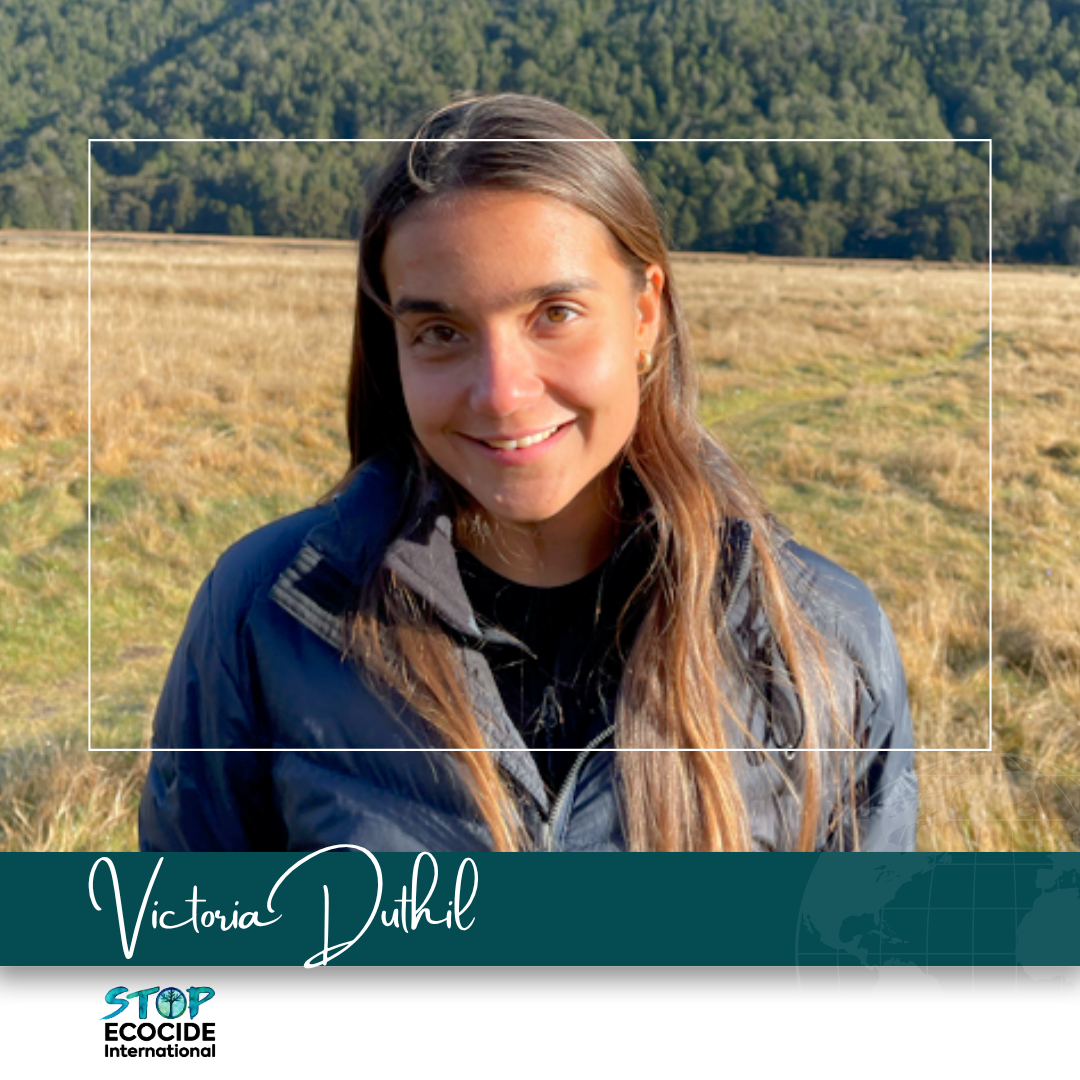
This guest blog is authored by Victoria Duthil, Campaign Manager of Friends of Aldabra, a youth-led campaign powered by Overstories. A Seychellois marine biologist and 2026 Ocean Leaders Fellow, she was the original whistleblower on the Assomption development and gave evidence to the Commission of Inquiry.
"A government inquiry found that a luxury hotel beside Aldabra Atoll, a UNESCO World Heritage Site of global importance, breached most of its environmental commitments. Construction continues anyway. That is exactly the gap ecocide law is designed to close."
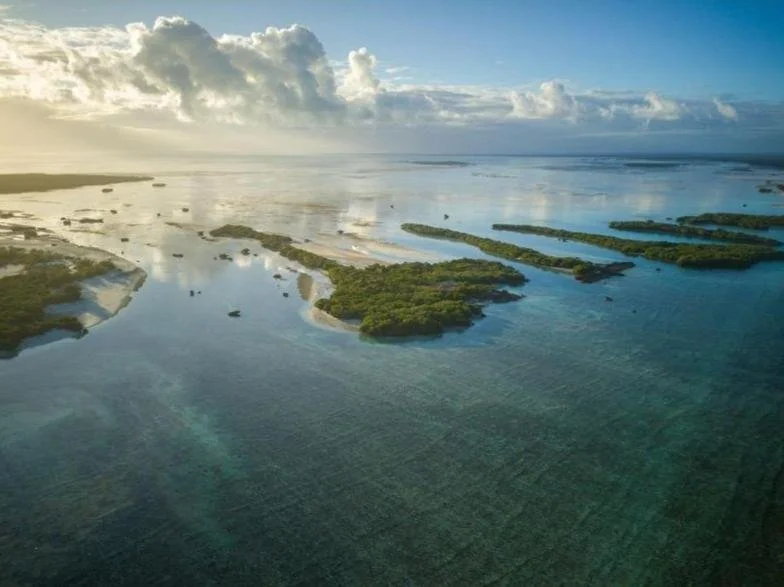
Aldabra Atoll.
In the Indian Ocean, more than 1000km away from Mahé, the main island of the Seychelles, lies Aldabra Atoll, a UNESCO World Heritage Site and one of the last truly wild places on the planet. It is home to over 150,000 giant tortoises, nesting green sea turtles, migrating humpback whales and their calves, and over 400 species found nowhere else on Earth.
Seychellois see Aldabra as the crown jewel of our country: a distant, near pristine coral atoll where life thrives. Most of us know we will never set foot on it, and we accept that, because we have gifted it to science and humanity.
Imagine our shock when we found out that this place, the one we had all agreed to leave alone and protect, was being opened up to luxury tourism.
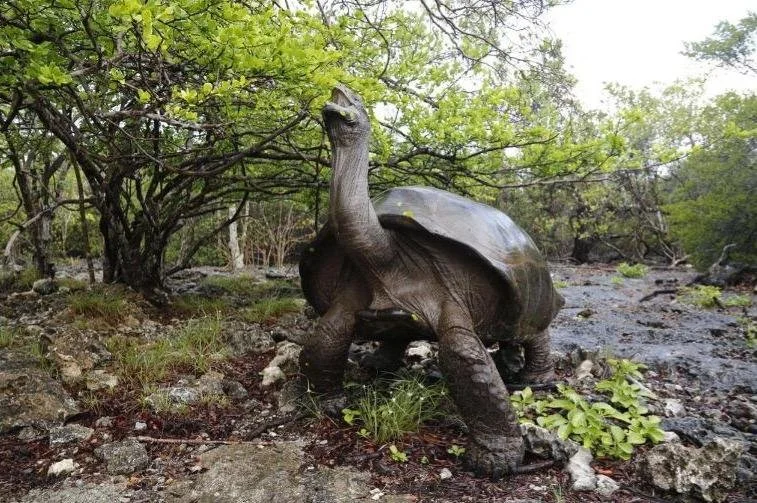
Aldabra giant tortoises, the world's largest population. Photo credit: Joey Latsha.
Just 27km away, on neighbouring Assomption Island, a Qatari-backed resort is being built by Assets Group and is set to be operated by Rosewood Hotels. It threatens everything that makes Aldabra what it is.
The Evidence is overwhelming
Friends of Aldabra is a youth-led campaign powered by Overstories. We have spent two years fighting to protect this pristine atoll, turning a suppressed local threat into a national and international issue. We filed a constitutional petition arguing that this hotel development violates every Seychellois' right to a healthy and sustainable environment, and built an international coalition of island communities facing the same fight.
Our relentless campaigning made Assomption a defining issue in the Seychelles national election. The new President won on a promise to halt the hotel development and, once elected, launched a Commission of Inquiry into the project.
The Inquiry’s 525-page report, published in late June this year, found the past two years of public disquiet to be well-founded. It documented that 12 of the project's 20 environmental commitments had been breached. It warned of a real and material risk that Aldabra could be placed on UNESCO's List of World Heritage in Danger.
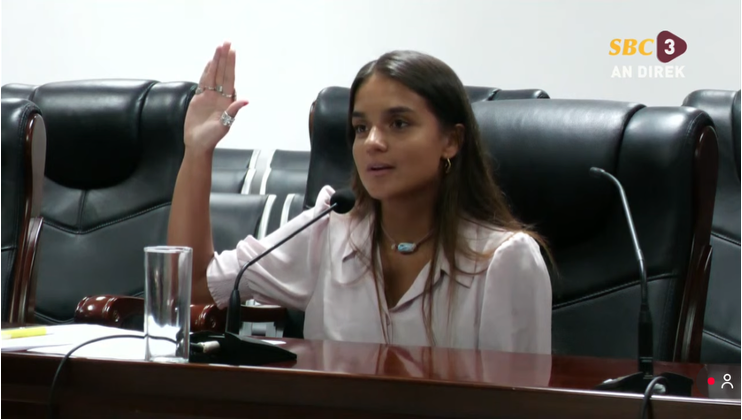
Vic Duthil swearing the oath before giving her deposition at the Assomption Commission of Inquiry in Seychelles. Photo Credit: SBC.
But the Commission’s most serious finding of all was that Assomption was put in danger over and over again because the executive interfered, multiple times, with its own institutions to let this hotel happen. Under that pressure, none of the environmental safeguards held. Our own laws and our own institutions, the ones meant to protect Assomption and Aldabra, failed.
Yet despite all of these findings, construction has continued. More than 35 separate buildings have gone up on Assomption since February. The state holds all of this evidence, generated by its own inquiry. And still, there is no accountability, and construction continues.
When every safeguard fails
Our country's own institutions gave way. International bodies like UNESCO have stayed silent despite repeated outreach and full awareness of what is happening.
This is the accountability gap. Environmental rules are mostly administrative. When they are broken, the usual outcome is a delay, a fine or a revised permit: costs a well-funded developer can easily absorb. But the damage to coral, nesting beaches and fragile island ecosystems cannot be reversed.
For local communities, the impact goes even deeper. Every time this pattern repeats, it leaves people disempowered, convinced that there is "nothing we can do." That feeling is its own kind of damage, and it lasts long after the bulldozers leave.
What ecocide law would change
What is taking place on Assomption, is the very reason ecocide law is needed.
According to the definition proposed by an independent expert panel in 2021, ecocide covers unlawful or wanton acts committed with knowledge that there is a substantial likelihood of severe and either widespread or long-term damage to the environment.
The Commission's findings describe exactly this. The harm to Assomption is severe, and it puts Aldabra, a World Heritage Site, at real risk of being placed on UNESCO's List of World Heritage in Danger. The rules meant to protect the island were broken. And it was done knowingly: decision-makers were warned, yet the biodiversity assessment, which should have been completed before work began, was deliberately postponed until construction was already underway.
Could the development on Assomption, and the threat it poses to Aldabra's ecosystems, amount to ecocide? If ecocide were a crime in Seychelles, would the situation on Assomption might never have gotten this far?
Ecocide law acts as a moral and legal line of defense. Under ecocide law, executives and government officials would have to ask whether they could be held personally criminally responsible for the consequences of their decisions. That question shifts behaviour in a way an impact assessment never will. It adds another line of protection for our ecosystems, our heritage and our people, present and future.
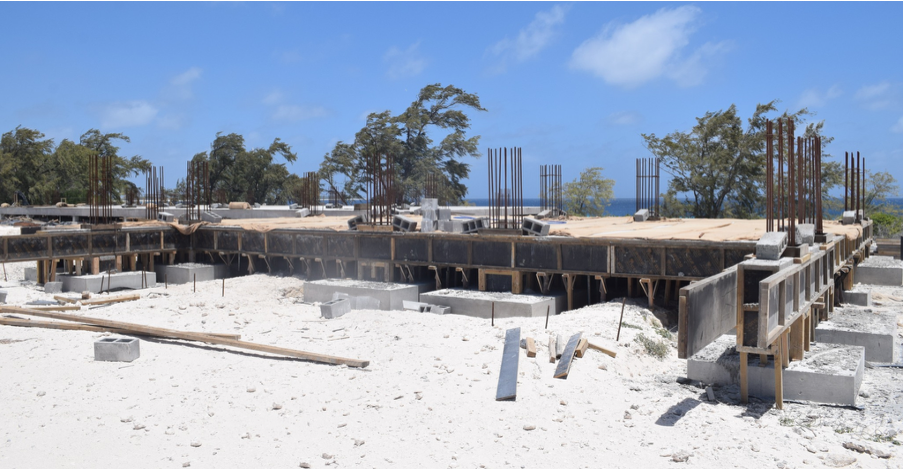
Construction on Assomption Island, 27km from Aldabra.
Our own region is already moving. In April 2026, Mauritius, our closest neighbour, made ecocide a crime punishable by up to 10 years in prison, using almost exactly the expert panel's definition. In 2024, Vanuatu, Fiji and Samoa formally proposed adding ecocide to the International Criminal Court’s Rome Statute, alongside genocide, war crimes, crimes against humanity and the crime of agression.
Small island states are leading because we have the most to lose. We are the ones witnessing, first-hand, the destruction of our homes, our heritage, our islands and our livelihoods when foreign developers come knocking.
Some places should not be for sale
Public pressure has already changed the course of this project. We believe it can still stop it. But no place should depend on a handful of young people noticing in time and refusing to be quiet.
Aldabra has survived because people chose to protect it. Ecocide law would make that choice binding. It would mean the worst harms to places like Aldabra are treated as what they are: serious crimes, not the cost of doing business.
You can help in two ways:
• Support our Chuffed crowdfunding campaign, which funds independent monitoring of Assomption and the legal case now before the Seychelles courts.
• Follow Friends of Aldabra and share the story, so UNESCO and the Seychelles Government know the world is watching.