This series of guest blog posts is intended as a dedicated space for the many movements/campaigns around the globe confronting ecosystem destruction to share their stories, narratives and perspectives.
Latest Blogposts:
In 2015, Norway granted a mining company permission to discharge 250 million tons of industrial waste into one of its own fjords.
There are conversations you know you will have with your children, even if you do not yet know when.
One day I'll have to explain to my son why wars exist, why inequality exists, or why people make decisions that affect others. And I suspect that, sooner or later, I'll also have to answer a much more uncomfortable question: what did my generation do when it realized that the planet was changing?
Environmental crime is one of the most pressing threats to the natural world and all of us who rely on it. Damage to the earth cannot be separated from damage to humans, and human prosperity cannot be conceived without a functioning biosphere. Environmental crime destabilises communities and economies, threatens public health, undermines food security, weakens the rule of law, and fosters corruption. Despite being the fourth largest criminal activity globally, it continues to receive inadequate resources and political prioritisation.
We have had ecologists from the UK in this field, who cried when they counted the amount of species they found per square meter. I have been told that in the UK there are only 6000 hectares left of such rich biodiversity, most of them created and maintained with high financial input. I try to explain this to one of my neighbours in our Transylvanian village at the foothills of the Western Carpathian Mountains, as he was praising the local, ever-expanding, large-scale farm which has managed to turn the biodiverse hay meadow into a grass monoculture.
Not long ago, the idea of humanity manipulating the planetary systems that regulate life on Earth belonged largely to science fiction. Today, it is the subject of serious policy debate.
Imagine waking up on an unfamiliar island beside strangers from every corner of the world. None of you remembers how you arrived. None possesses a deed, a flag, or a claim of inheritance. For a brief moment before ideology, hierarchy, or fear takes hold, something remarkable would likely occur: each person would recognise that no one present has any greater right to the island than anyone else.
Ten years after the collapse of the Fundão dam in Mariana, London’s High Court has finally reached a decision. In November 2025, the Court recognised the liabilityof mining company BHP, under Brazilian law, for what is widely considered the largest environmental disaster in the country’s history.

This guest blog is authored by Paola Vitale, a law graduate from the University of Bologna, who is now committed to environmental and climate law advocacy and collaborates with Youth for Ecocide Law as a core team member.
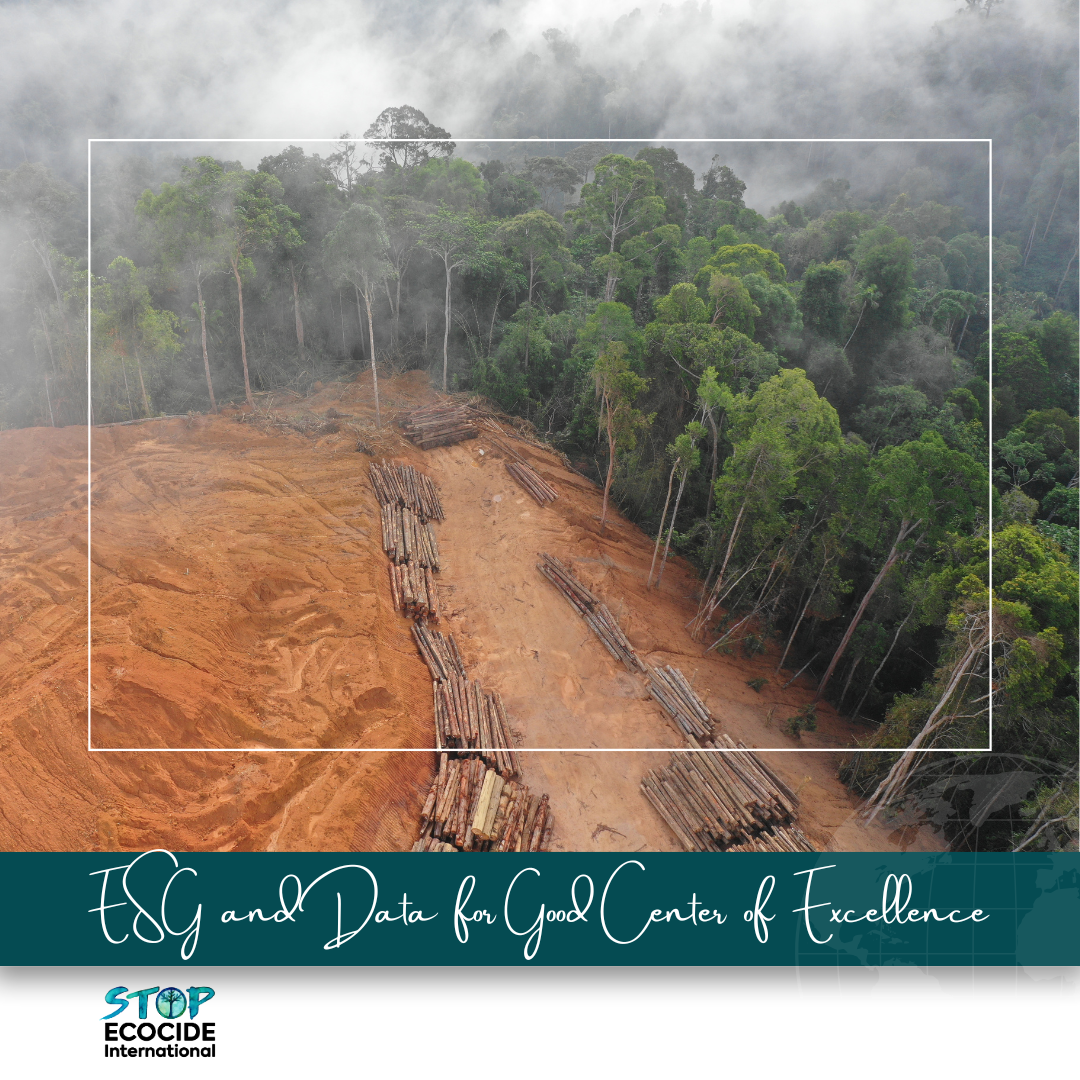
This guest blog is authored by the ESG and Data for Good Center of Excellence (CoE), an organisation dedicated to using data analytics and AI for sustainable and good purposes.
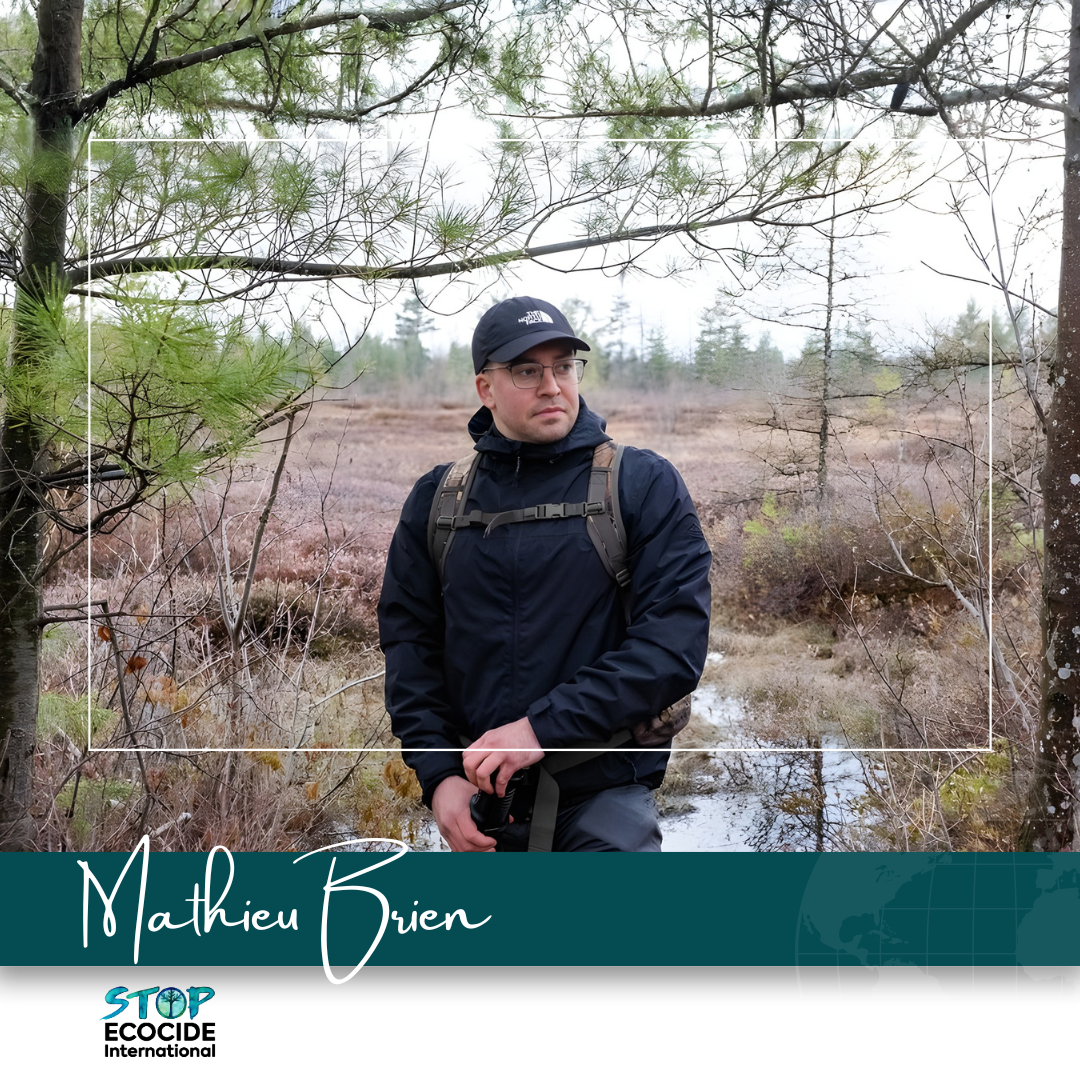
This guest blog is authored by Mathieu Brien, Founder of Carnivorex and the movement Sauvegardons la Grande Tourbière de Blainville (Save the Great Peatbog of Blainville).
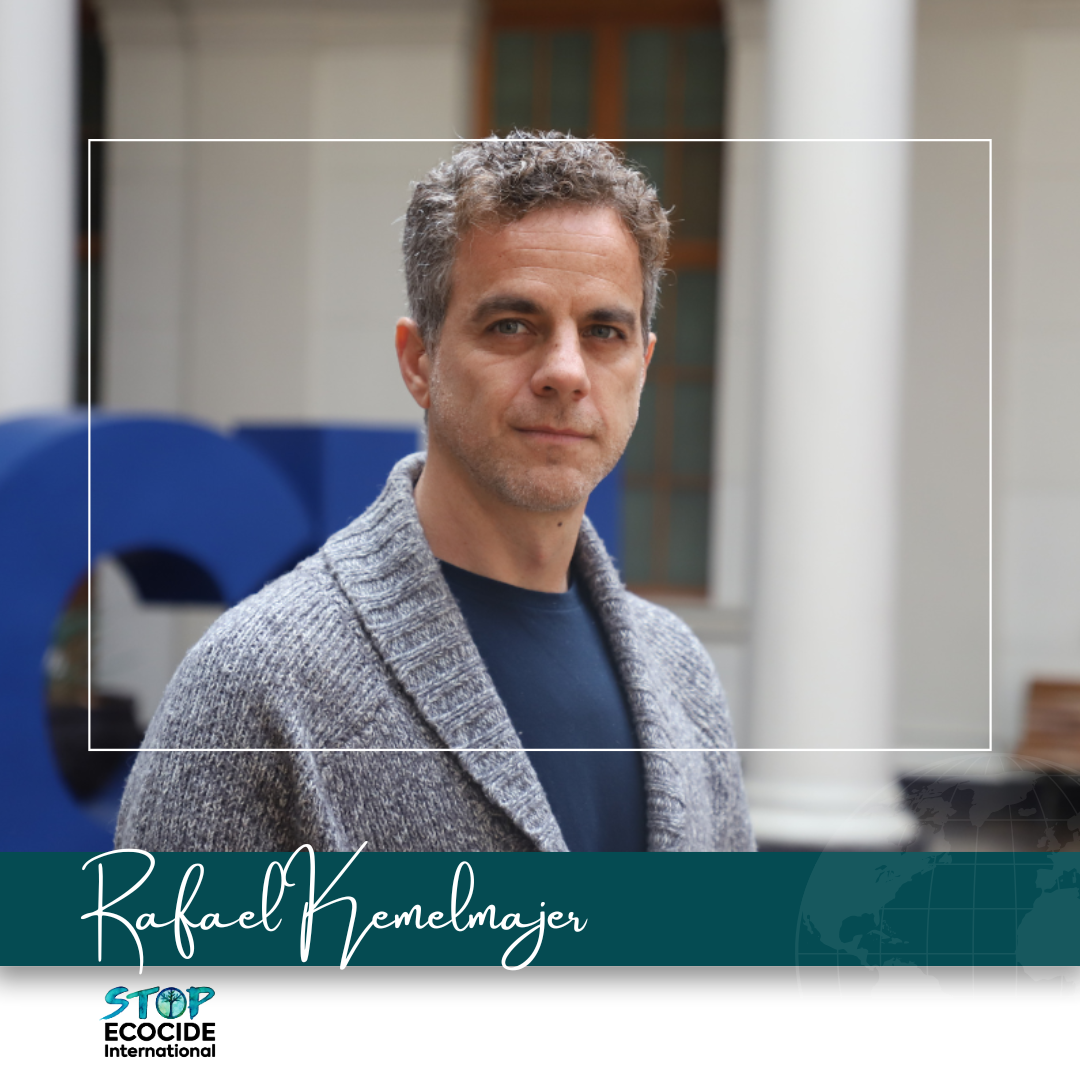
This guest blog is authored by Rafael Kemelmajer, an economist and co-founder of RITA (Regional Impact Trade Alliance).
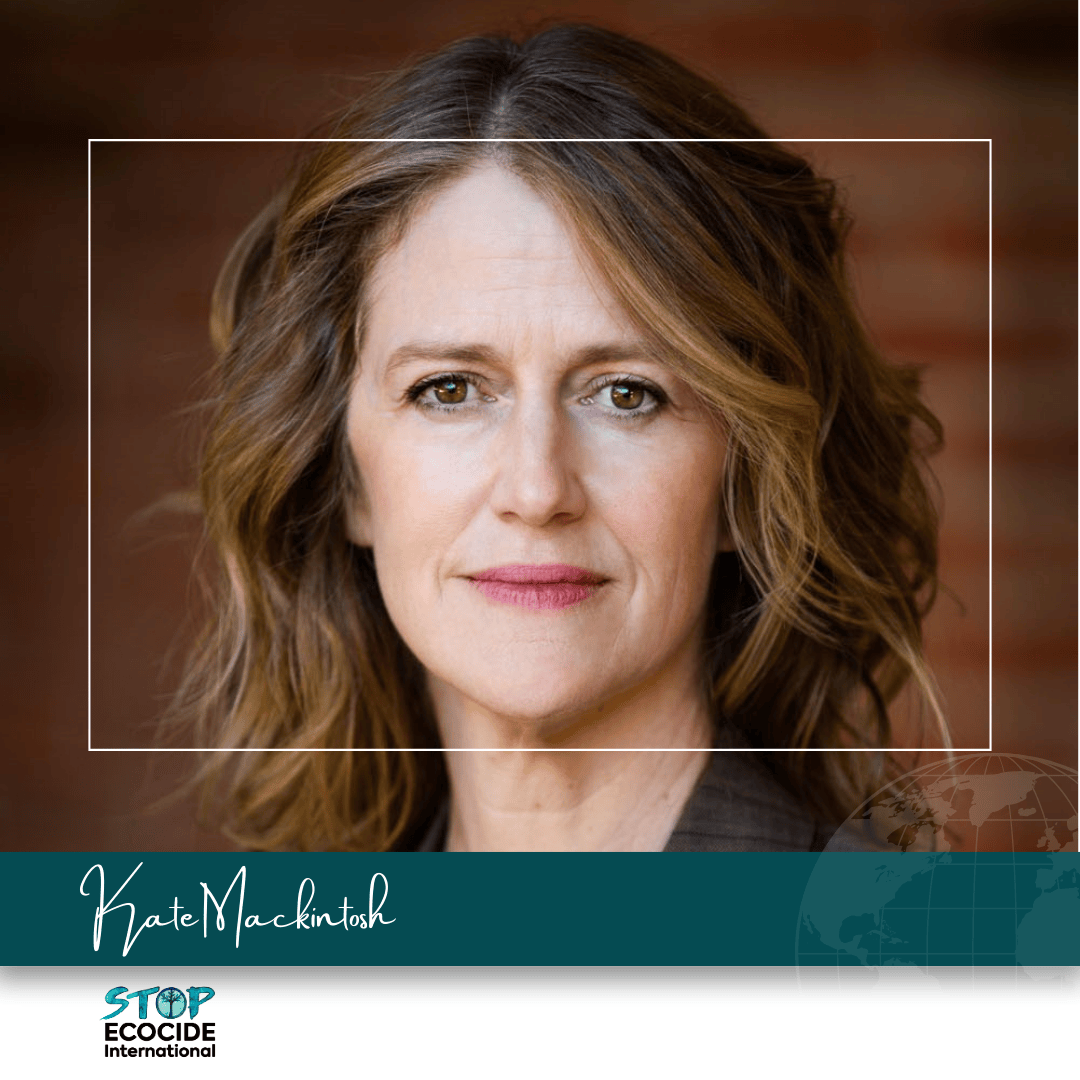
Kate Mackintosh is the Executive Director of the The Promise Institute for Human Rights (Europe).

This guest blog is authored by Paola Vitale, a law graduate from the University of Bologna, who is now committed to environmental and climate law advocacy.
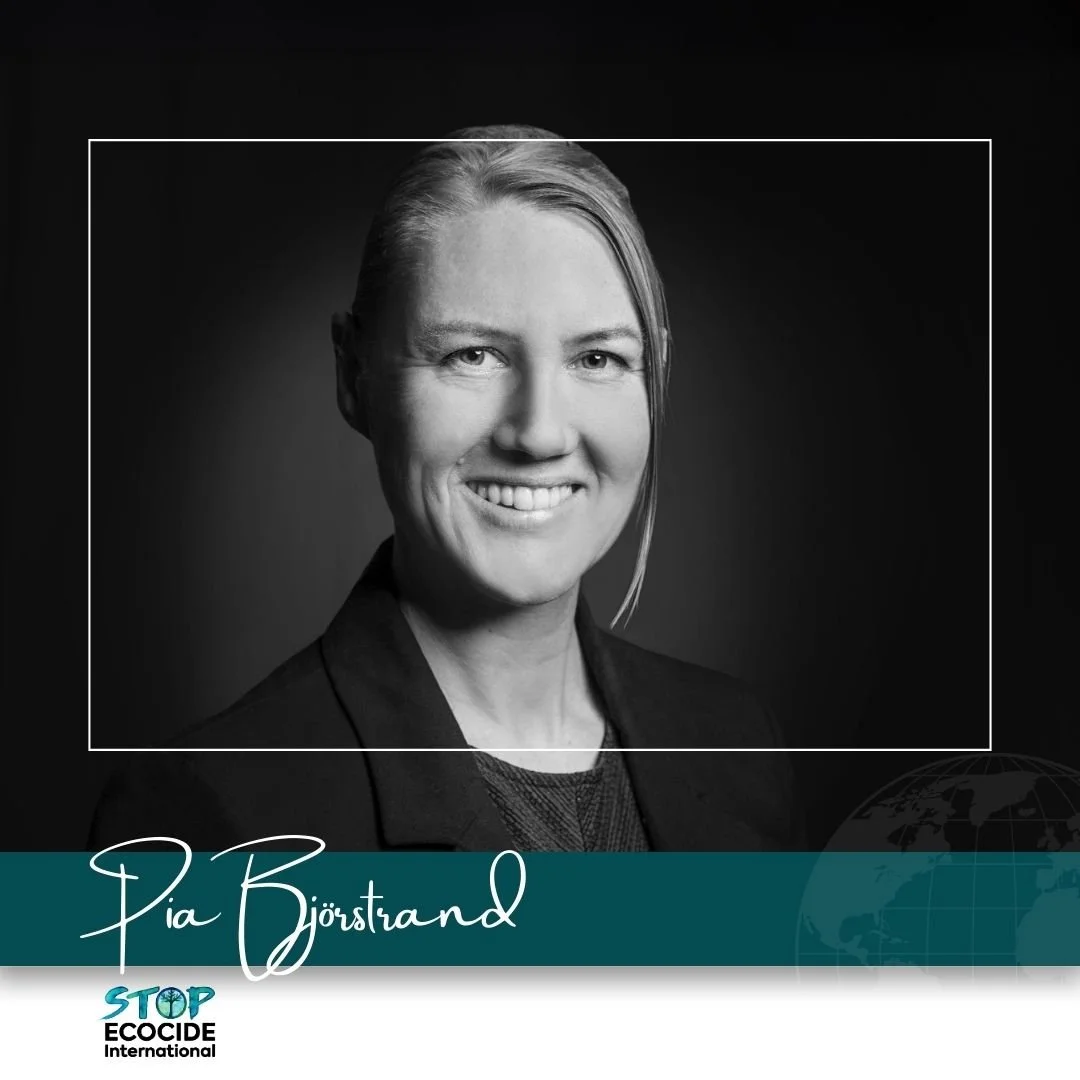
This guest blog is authored by Pia Björstrand, environmental lawyer and partner at Omnia Legal, Stockholm.

This guest blog is authored by Ninsiima Louis Kandahura, a climate advocate and storyteller, and Calvin Stewart Obita, a human rights defender.
Rodrigo Lledó is Americas Director at Stop Ecocide International. He is a lawyer and has a Master’s in Public Law and Constitutional Law, as well as a PhD in Law.
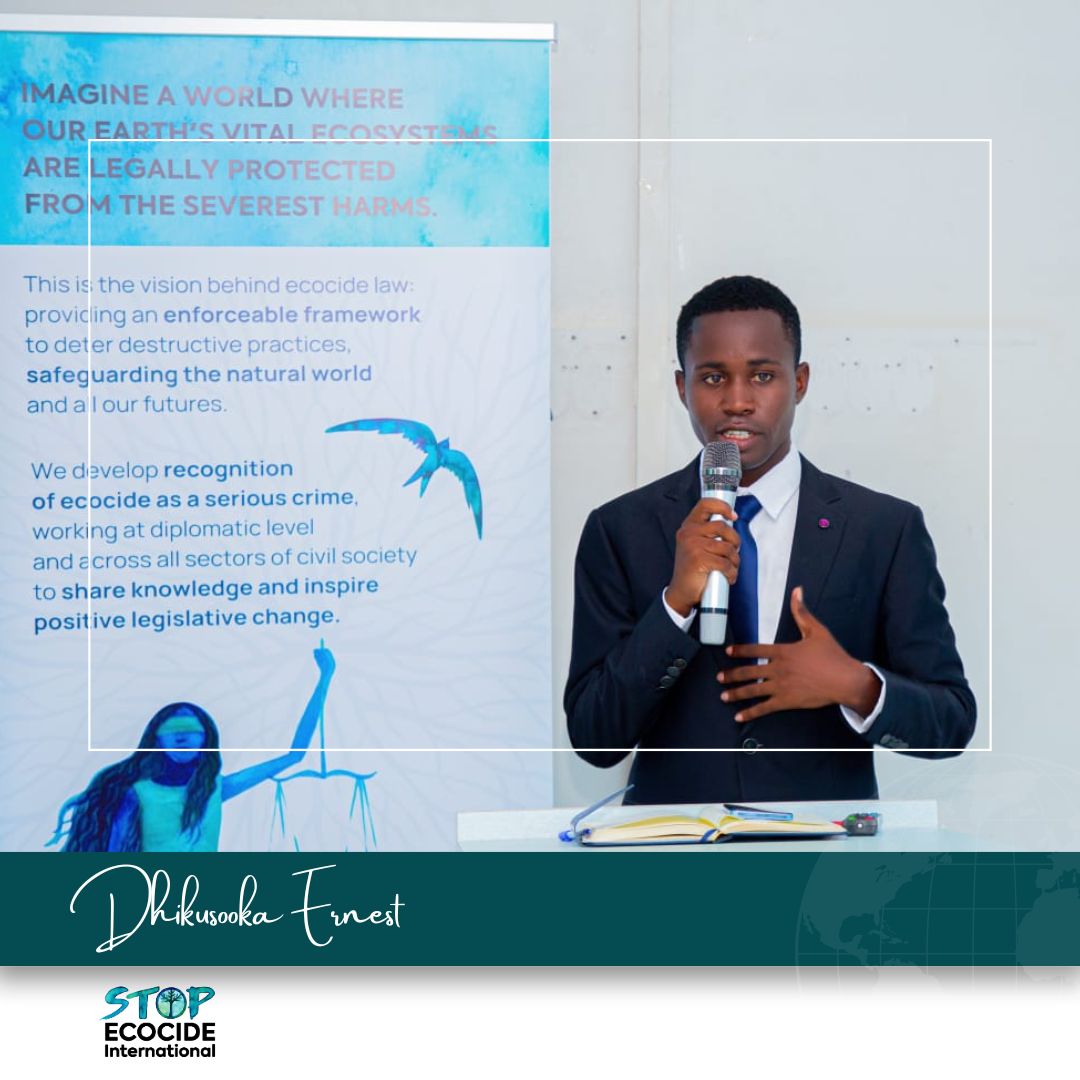
Dhikusooka Ernest is a Stop Ecocide International Student Ambassador and a student in International Relations and Diplomatic Studies at Cavendish University, Uganda.

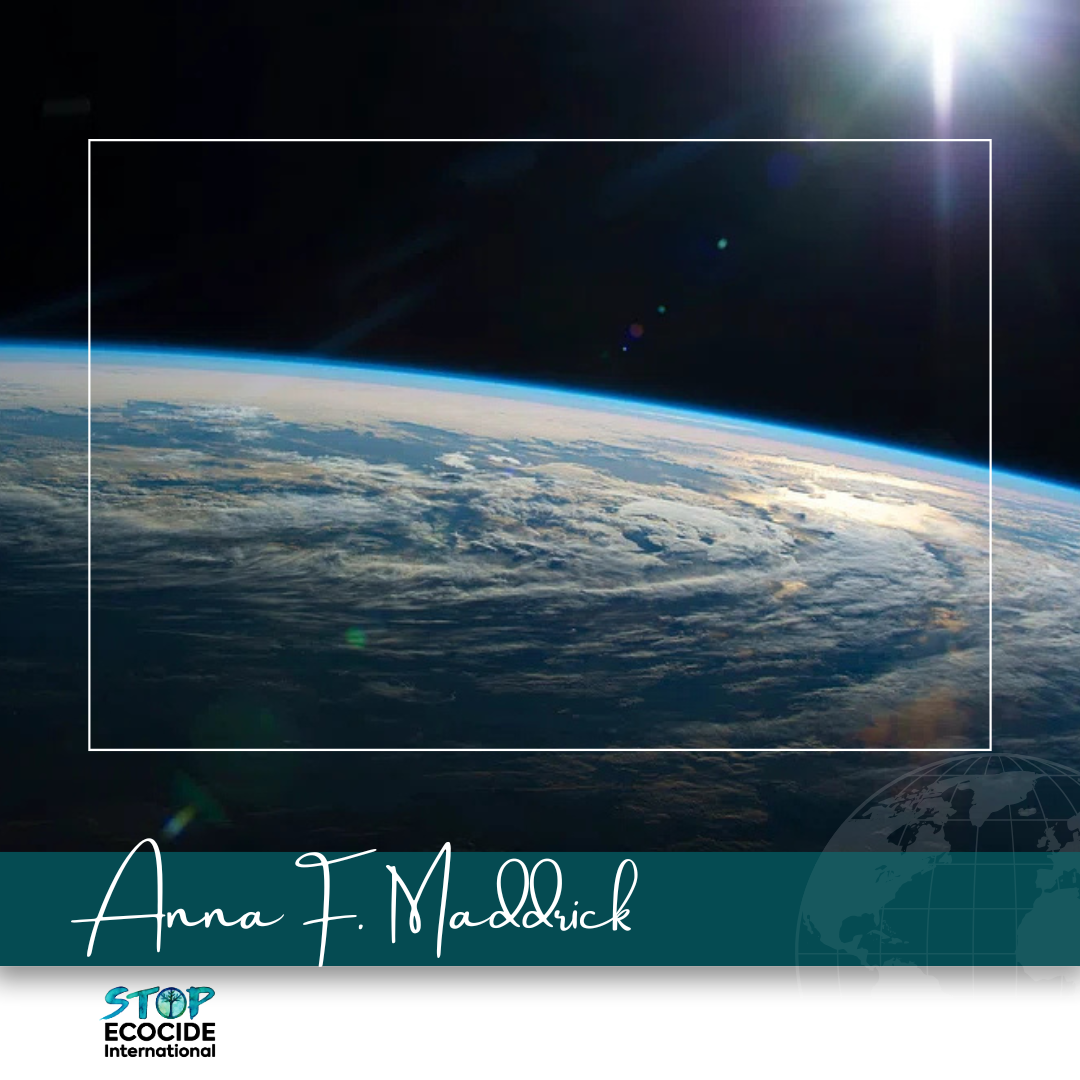
This guest blog is authored by Dr. Kai-Uwe Schrogl, President of the International Institute of Space Law (IISL), and Anna Maddrick, Legal Adviser on Climate Matters to the Permanent Mission of Vanuatu to the United Nations.

Irene Guacimara Fuentes Bauzá is an environmental advocate and Canary Islands social media reporter.
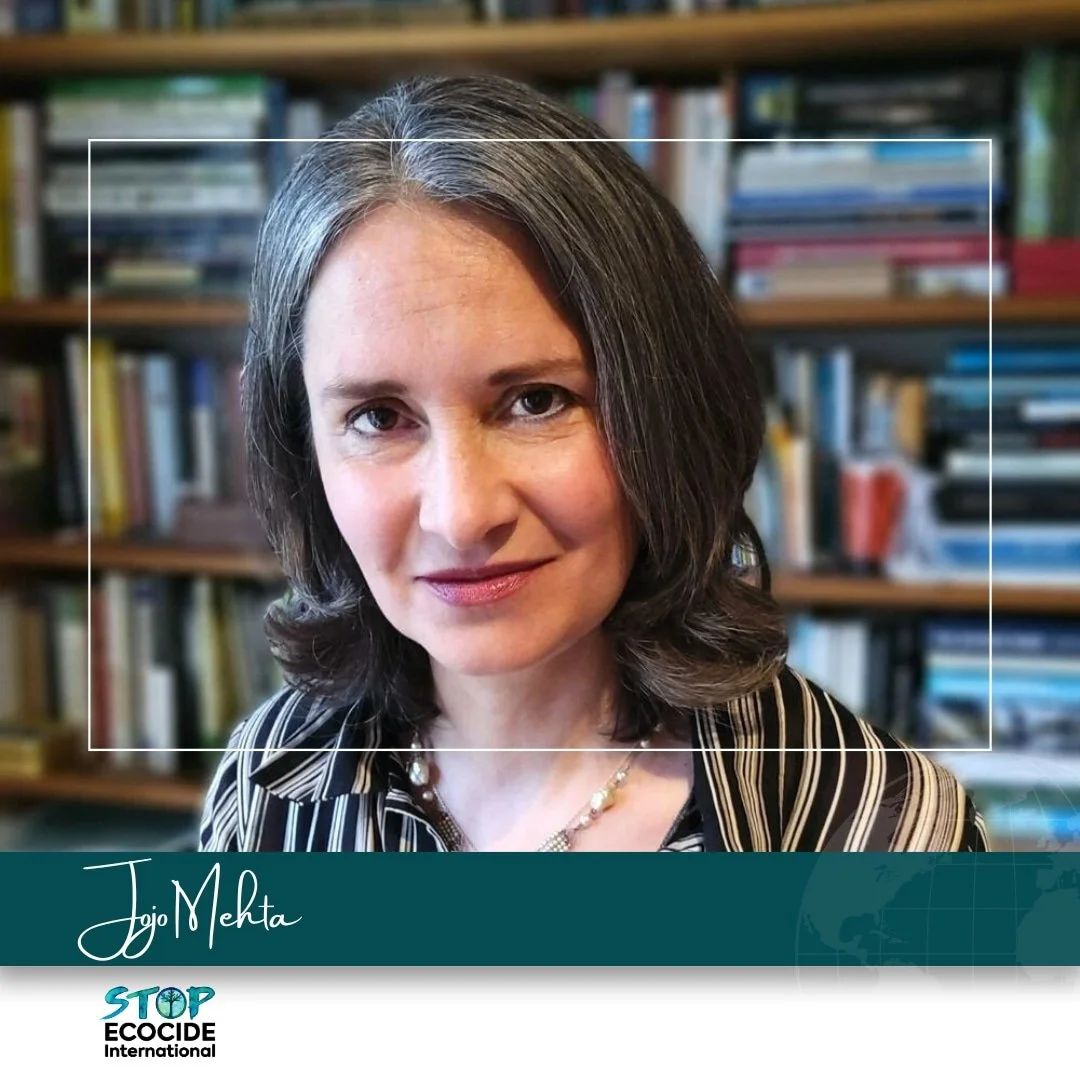


This guest blog was written by Professor Darryl Robinson, an Associate Professor at Queen’s University Canada’s Faculty of Law, where he specialises in international criminal justice. The article was first published in EJIL Talk!, the blog of the European Journal of International Law.
This guest blog was authored by Nana Yaw Osei-Darkwa, an entrepreneur, environmental advocate, and founder of the Green Republic Project.

This guest blog was authored by Charlotte O’Leary, CEO of the impact investment firm Pensions for Purpose.

This guest blog was authored by Punya Bhargava, an advocate and founder of the Corporate Social Responsibility firm Huā.

This guest blog was written by Deborah Rowan Wright, an ocean conservation policy expert and author of ‘Future Sea: How to Rescue and Protect the World’s Oceans’.
This blog was written by Michael Mansfield KC, English barrister and head of chambers at Nexus Chambers.

This blog was written by Linet Nabwire, a climate justice advocate, and Team Leader and Founder of Climate Transformation Network.
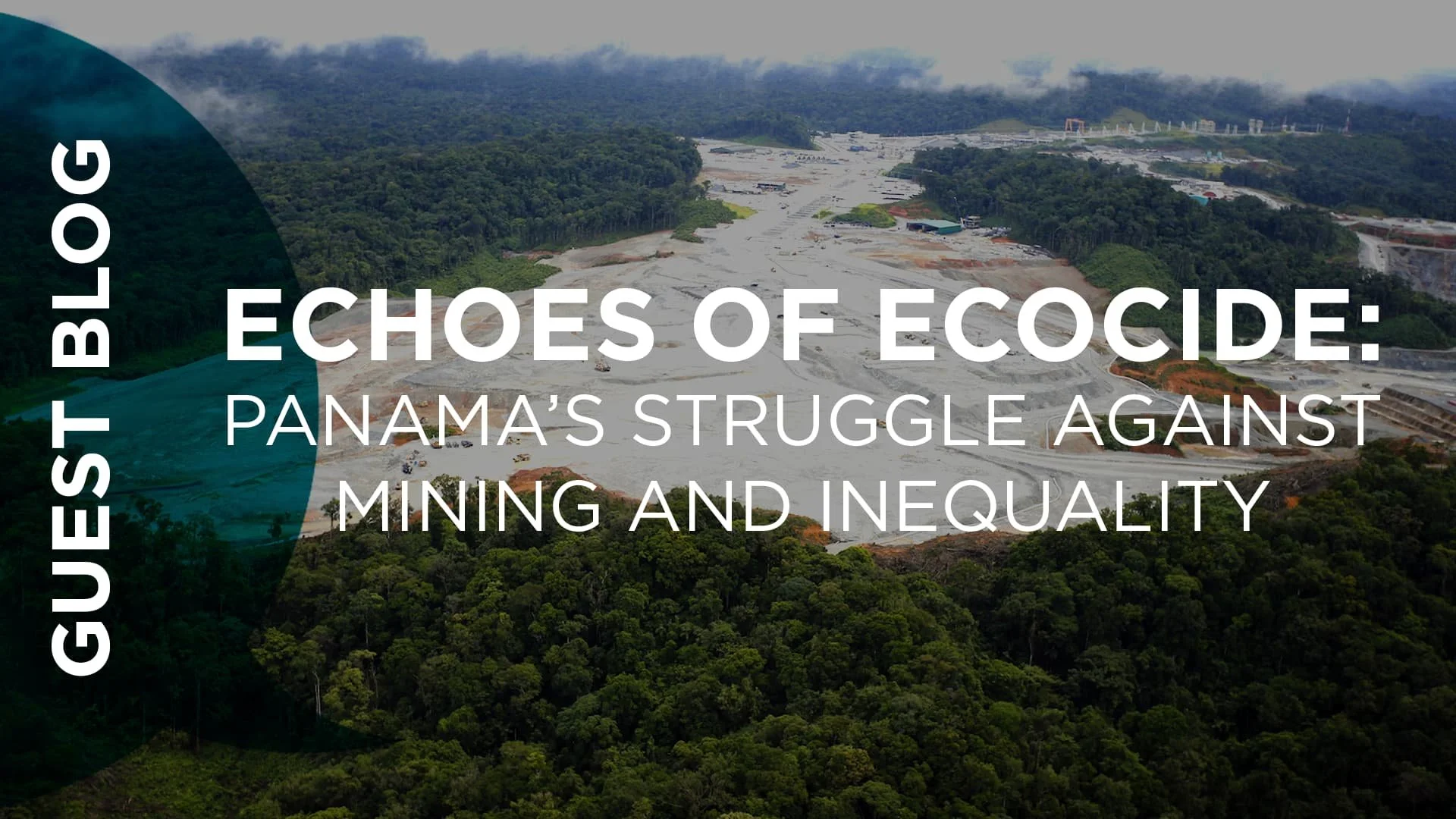
This guest blog was written by Panamanian student activists, Sofia Ramirez Vakratsas and Andreina Correa Quiros.
This guest blog was written by Sue Miller, Stop Ecocide International’s Head of Global Networks and originally published by the Confederation of British Industry (CBI).
This guest blog was written by Reagan Elijah, Political scientist, Co-lead at Youth For Ecocide Law Africa and Co-founder Debt For Climate Uganda.

This guest blog was written by Richard Rogers, Executive Director of Climate Counsel and Moneim Adam, Executive Director of Sudan Human Rights Hub and originally published in Euronews.

This guest blog was originally publised by Ocean Vision Legal and was co-authored by: Michelle Bender*, Jojo Mehta**, Antoinette Vermilye***, Dr. Anna von Rebay*
*Ocean Vision Legal, **Stop Ecocide International, ***Gallifrey Foundation
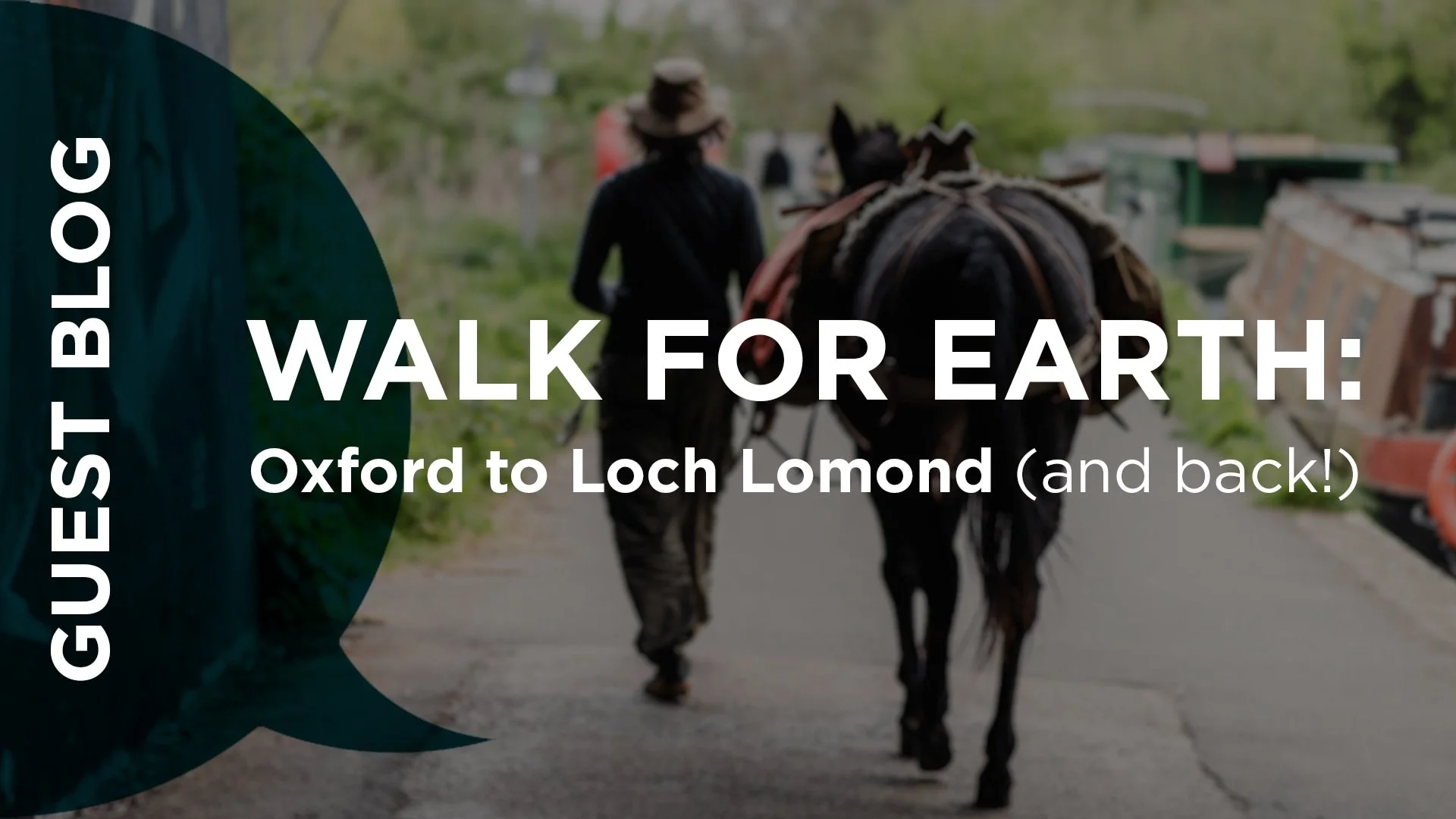
This blog post was written by Zoe Bicât, published author of poems and songs, injury rehabilitation therapist and teacher of Tai Chi Qigong.
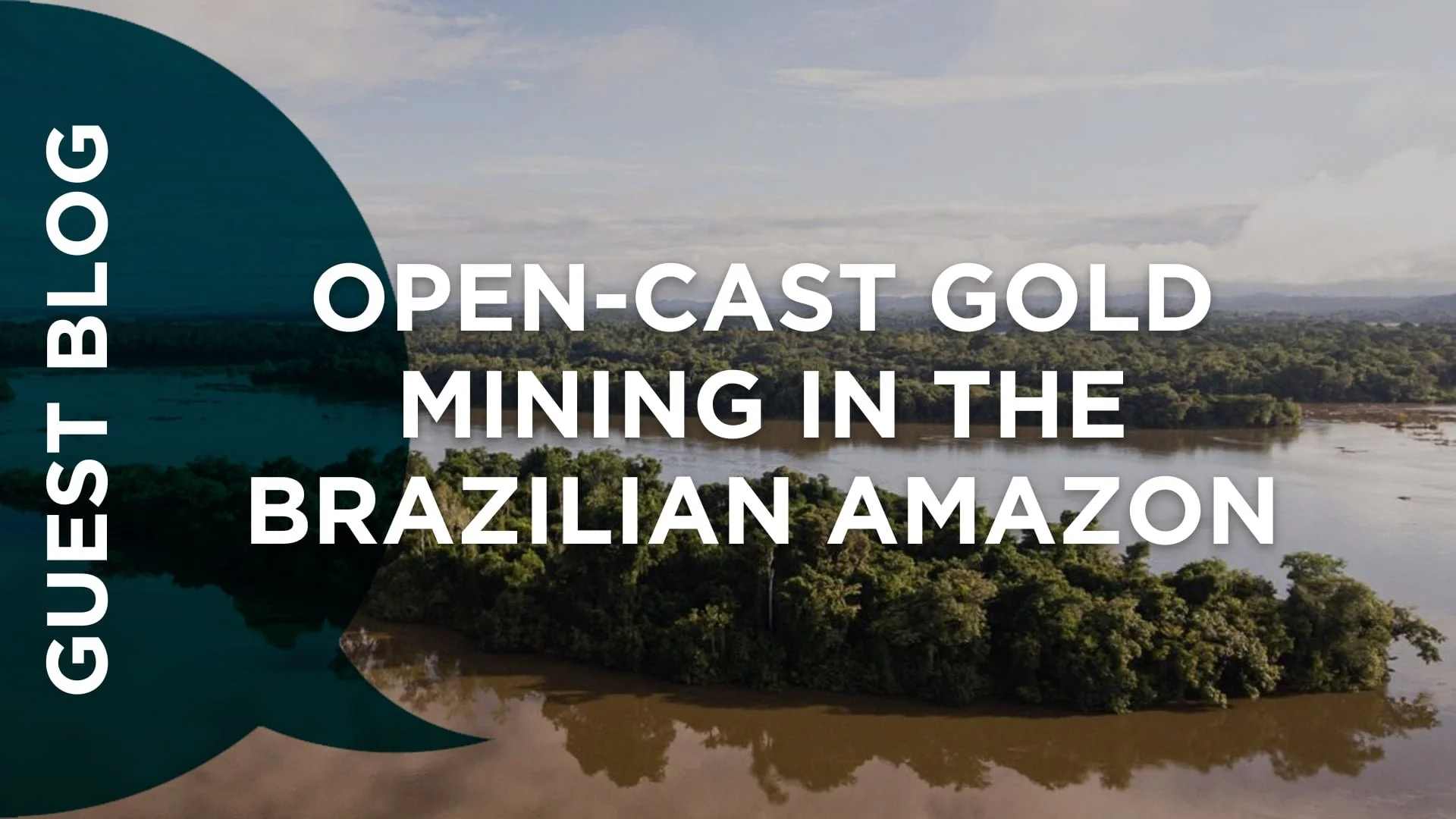
This blog post was written by Louise Romain, anthropologist, campaigner for climate justice & Indigenous rights and producer of the podcast ‘Circle of Voices’. It draws on an interview at COP15 with Indigenous land defenders Puyr Tembé and João Víctor Pankararu with the support of Amazon Watch.

This independent guest blog was written by human rights lawyer, Steven Donziger, best known for his legal battles with Chevron, particularly Aguinda v. Texaco, Inc. and other cases in which he represented over 30,000 farmers and indigenous people who suffered environmental damage and health problems caused by oil drilling in the Lago Agrio oil field of Ecuador.

This post has been written by the ‘Movimiento de Mujeres y Diversidades Indígenas por el Buen Vivir’ (Women's Movement and Indigenous Diversities for Good Living) with the special collaboration of one of its members, Paula Mercedes Alvarado Mamani, lawyer and coordinator of the Terricide Bill.
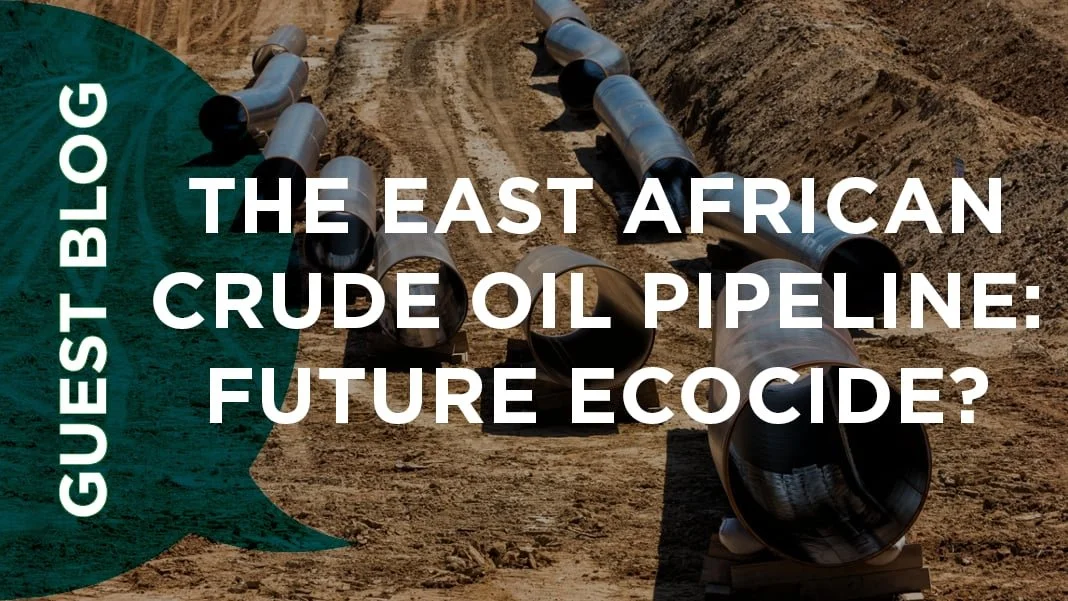
This blog post was written by Omar Elmawi, Coordinator at the Stop EACOP campaign and the deCOALonize campaign - with the support of Louise Romain, Stop Ecocide International and Paul Hallows, Global Witness. He writes about the planned construction of the EACOP, a pipeline crossing East Africa, and the environmental, human and climate impacts (both local and global) of this ecocidal project.

This blog was written by Esther Stanford-Xosei, coordinator of the Stop the Maangamizi: We Charge Genocide/Ecocide Campaign and co-founder of the Extinction Rebellion Internationalist Solidarity Network. Additional links and campaigning resources were collated by Louise Romain, international grassroots outreach for Stop Ecocide.

This blog post was written by Johan Vollenbroek, Senior Advisor at Mobilisation for the Environment, and Maarten Visschers, Board member at Leefmilieu. They write about the destructive impacts caused by the clearcutting of forests, such as in the United States and the Baltic region, and the need to address current EU legislation considering wood (biomass) burning as a form of sustainable energy.
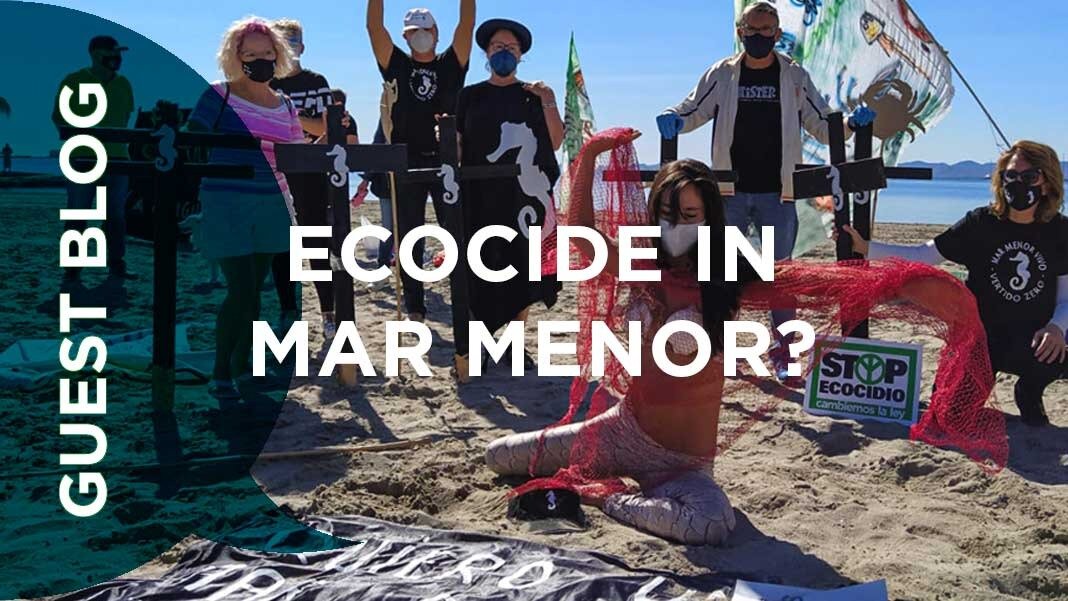
This blog post was written by lawyer and environment consultant, Eduardo Salazar Ortuño. He writes about Mar Menor near Murcia in the south east of Spain, the largest hypersaline coastal lagoon in Europe. This unique ecosystem is widely believed to be a site of increasing ecocide, mainly due to mining waste and agrochemicals.
If you are interested in contributing to the guest blog, please get in touch via email.
This article was written by Monica Lennon, Scottish Labour MSP, and journalist and author Judith Schwartz.