History of the DRC’s commitment to the recognition of ecocide as a crime at the national, regional and international levels
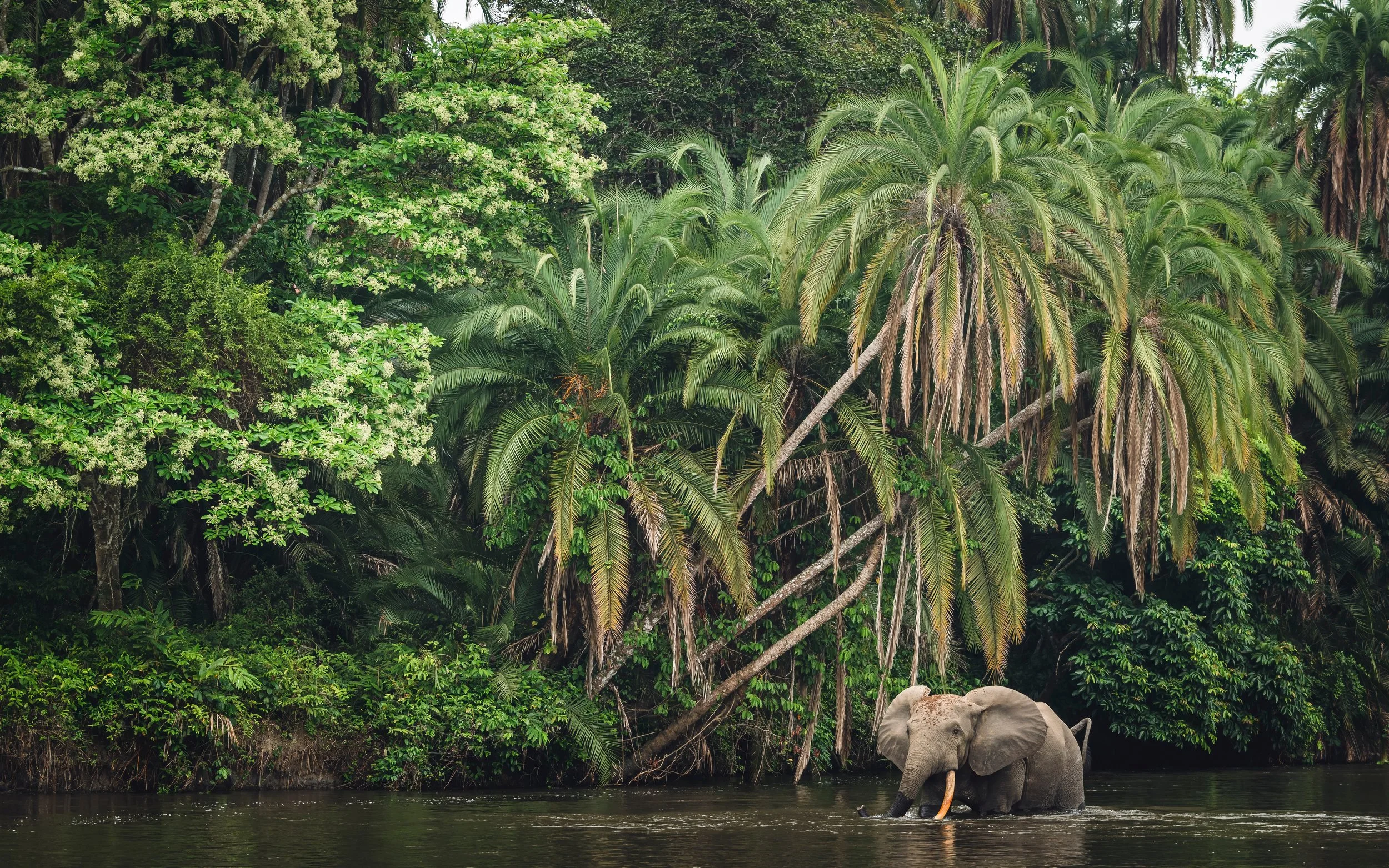
The Democratic Republic of the Congo (DRC) is home to approximately 62% of the Congo Basin’s forest cover, forming part of the second largest tropical rainforest on the planet. This vital ecosystem sustains the livelihoods of over 80 million people, plays a crucial role in global carbon sequestration and shelters extraordinary biodiversity, making the DRC a pivotal force in maintaining global environmental stability. In addition to its rich natural heritage, the DRC holds abundant mineral resources—such as cobalt, copper, lithium, gold, and tantalum—that are essential for the global energy transition.
As the country seeks to harness these assets for sustainable development, it also faces complex environmental challenges, including the need to strengthen regulation and ensure that resource use respects ecosystems and communities, in the light of first-hand knowledge of the consequences of environmental destruction. These realities underscore the importance of robust legal frameworks and international cooperation to protect nature while promoting responsible and equitable development.
In this context, the DRC is fully committed to championing the recognition of ecocide as an international crime, to ensure prevention of the worst harms, justice for affected communities, and the safe and long-term sustainability of our planet.
At the international level, the President of the Democratic Republic of Congo, His Excellency Felix Tshisekedi, called on States to support the proposed amendment to the Rome Statute of the International Criminal Court, put forward by Vanuatu, Fiji and Samoa, to include ecocide among the crimes within the jurisdiction of the Court. This appeal was made during the 80th session of the United Nations General Assembly in September 2025, as well as during the opening ceremony of COP30 in Brazil.
At the regional and international level, the Minister of Environment and New Climate Economy, Professor Marie NYANGE, is continuing her efforts to position the DRC as the leading state on this issue within the main environmental and diplomatic forums, such as the African Ministerial Conference on the Environment (AMCEN) and the various Conferences of the Parties (COP).
At the national level, Senator Cédric Ngindu Biduaya tabled a bill in December 2025 aimed at recognising ecocide in the Congolese Penal Code.
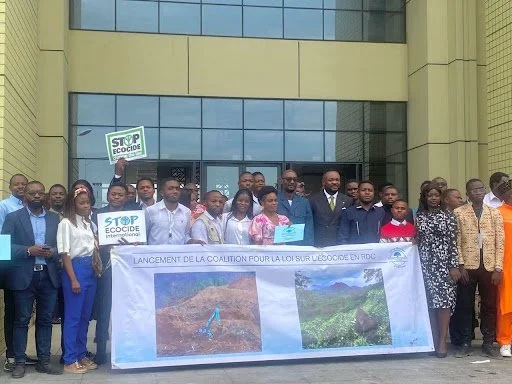
At the same time, civil society has organised itself into a coalition to support initiatives at the national, regional and international levels. This coalition is coordinated by the Congo Basin Conservation Society (CBCS-Network).
Oct 2024
In October 2024, following the proposal to amend the Rome Statute of the International Criminal Court (ICC) to include ecocide as the fifth international crime—led by the island states of Vanuatu, Fiji, and Samoa—the DRC expressed its support through Ms Eve Bazaiba, Minister of the Environment, during COP16 of the Convention on Biological Diversity (CBD) on 29 October 2024.

Dec 2024
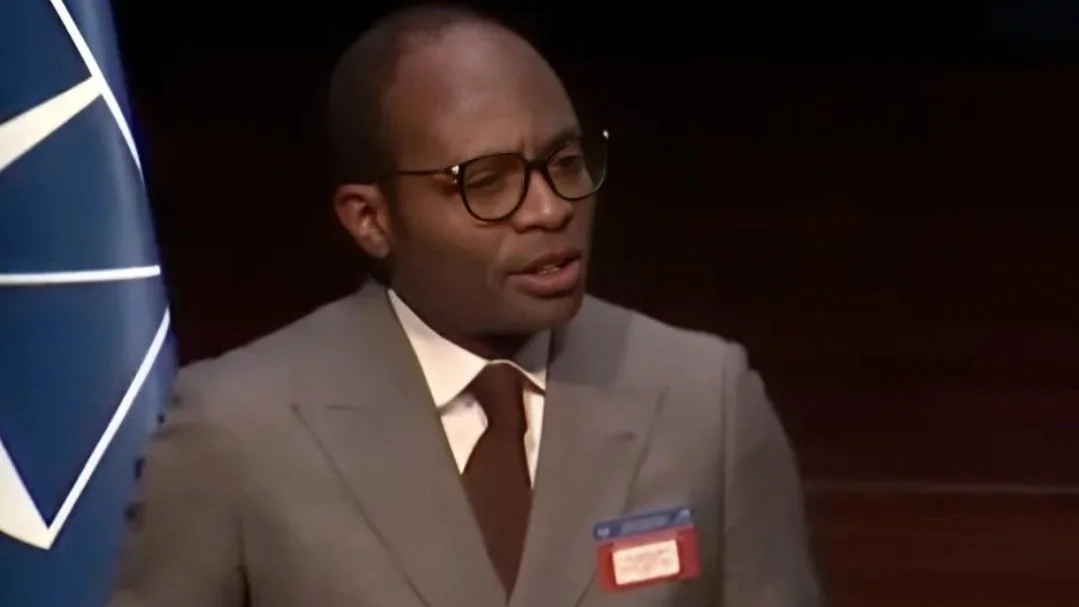
In December 2024, Mr Christian Ndongala, Ambassador of the DRC to the BENELUX, spoke at an official side event during the Assembly of States Parties to the ICC.
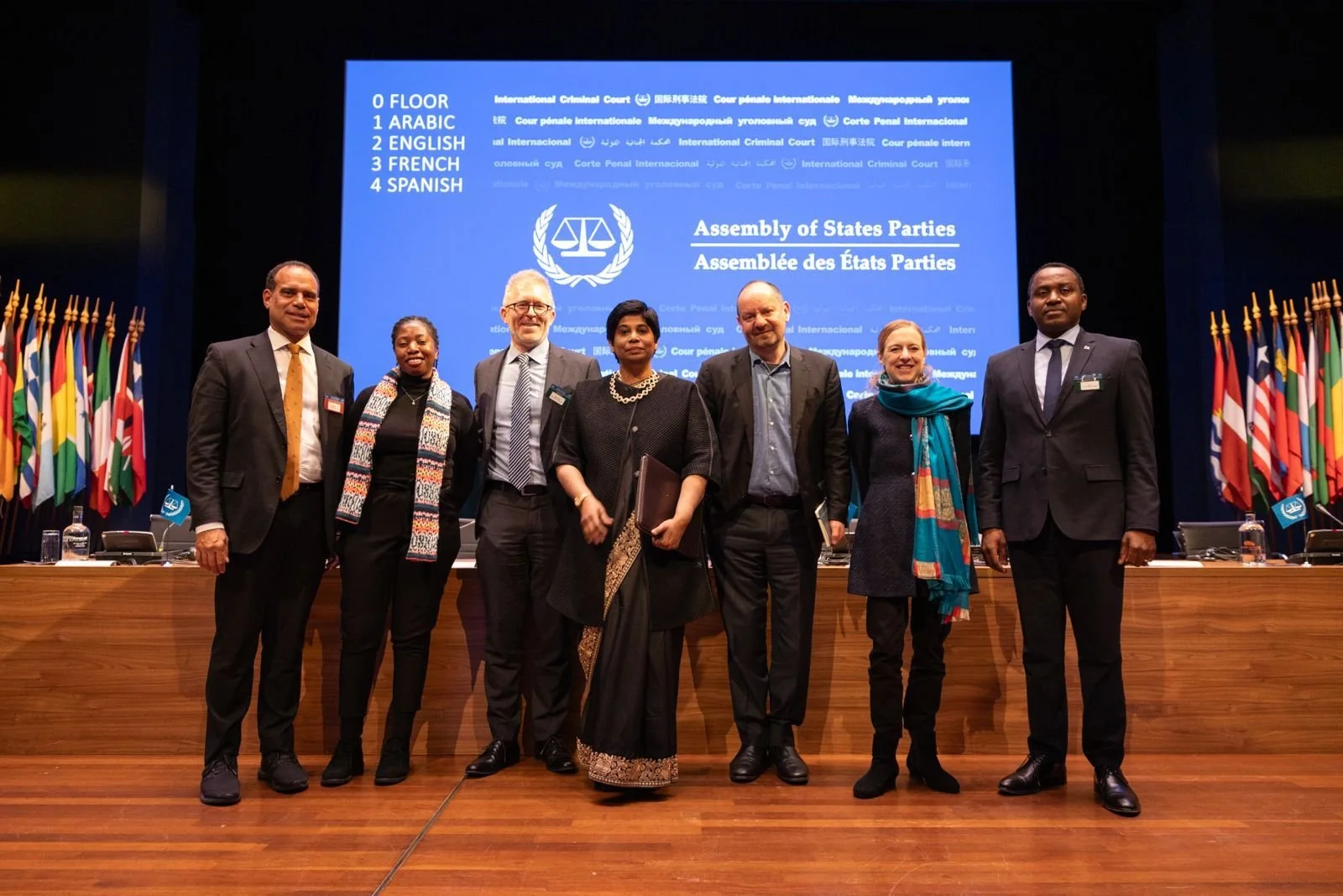
Professor Taylor Lubanga, National Focal Point for the ICC and Special Envoy to the Head of State, also delivered a speech on 3 December 2024 calling for the recognition of ecocide.
Mar 2025
On 13 March 2025, the DRC co-organised a diplomatic reception for OACPS member states with the Republic of Vanuatu entitled "Advancing Ecocide Recognition: A Diplomatic Initiative for OACPS and COP30" in Brussels.

Jun 2025
On 11th June 2025 an informal roundtable & dinner was also co-hosted by DRC and Vanuatu for coastal and river states in the margins of the UN Ocean Conference in Nice “Recognising ‘ecocide’ at the International Criminal Court to protect the ocean & our common future”.
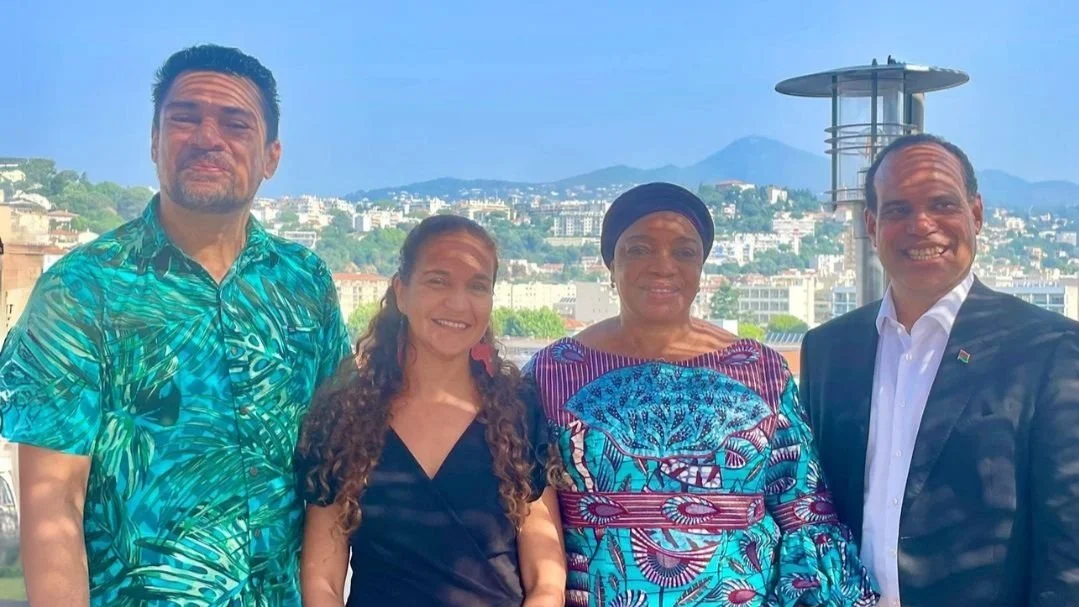
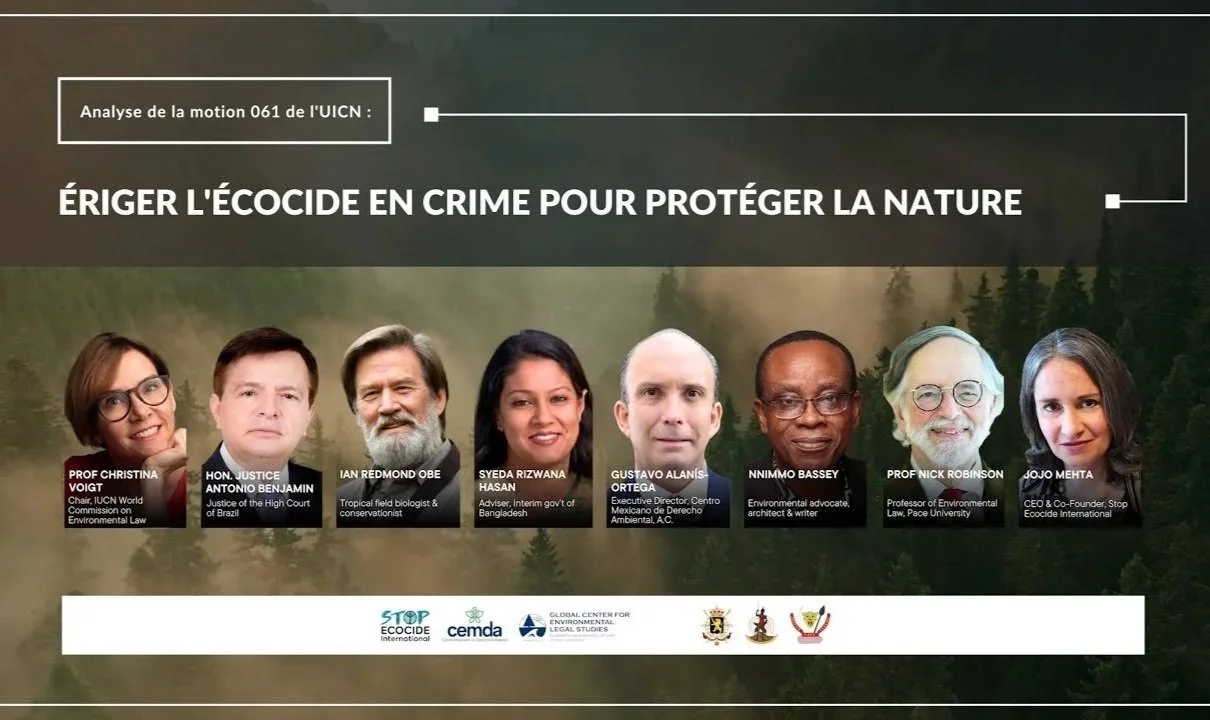
On 17 June 2025, the DRC participated alongside Vanuatu and Belgium in the official webinar organised for the submission of Motion 061 on the recognition of ecocide at the IUCN. The vote will take place in October in Abu Dhabi.
Jul 2025
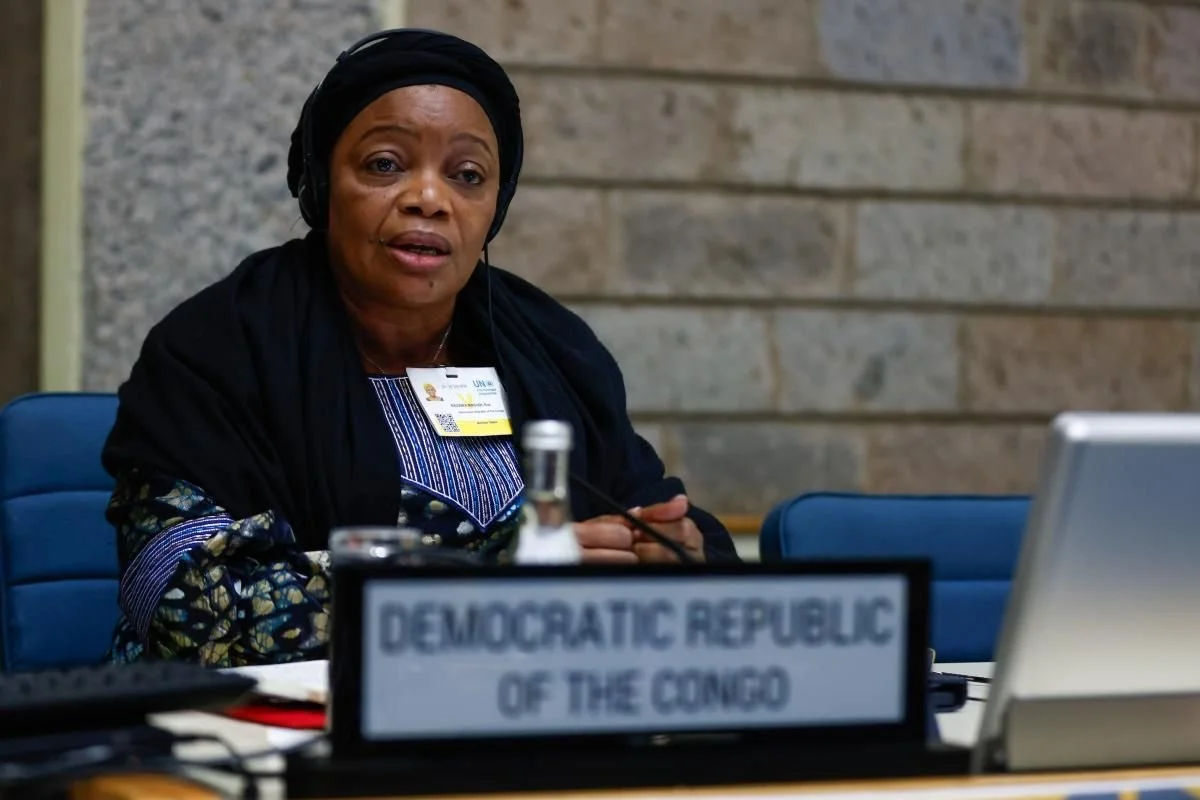
Under the leadership of the Democratic Republic of the Congo (DRC), African environment ministers have formally agreed to include ecocide in the continent’s environmental priorities for the 2025–2027 biennium.
The decision, taken at the 20th Ordinary Session of the African Ministerial Conference on the Environment (AMCEN) held in Nairobi, Kenya, in July 2025, was confirmed by H.E. Dr. Abu Bakr Al-Harim, Libya’s Minister of Environment and current President of AMCEN. It marks the first time ecocide has been explicitly recognised as a strategic continental priority by a UN forum.
Speech by H.E. Eve Bazaiba - Submission to the CMAE - CMAE Decision 4
Sept 2025
At the 80th Session of the UN General Assembly on 23 September 2025, President Félix-Antoine Tshisekedi of the Democratic Republic of the Congo reaffirmed his nation’s support for recognising ecocide as an international crime under the Rome Statute of the ICC.
Emphasising the Congo Basin’s global ecological significance as the world’s second-largest rainforest and largest terrestrial carbon sink, he condemned deforestation, illegal exploitation, and pollution as “crimes against nature.” The DRC first endorsed the ecocide initiative, led by Vanuatu, Fiji, and Samoa, at COP16 in October 2024, becoming the first African country to do so.
This stance has since catalysed broader African momentum—at the July 2025 African Ministerial Conference on the Environment in Nairobi, ministers, led by the DRC, agreed to prioritise ecocide in Africa’s 2025–2027 environmental agenda, with Congo and Burundi also expressing support.

Nov 2025
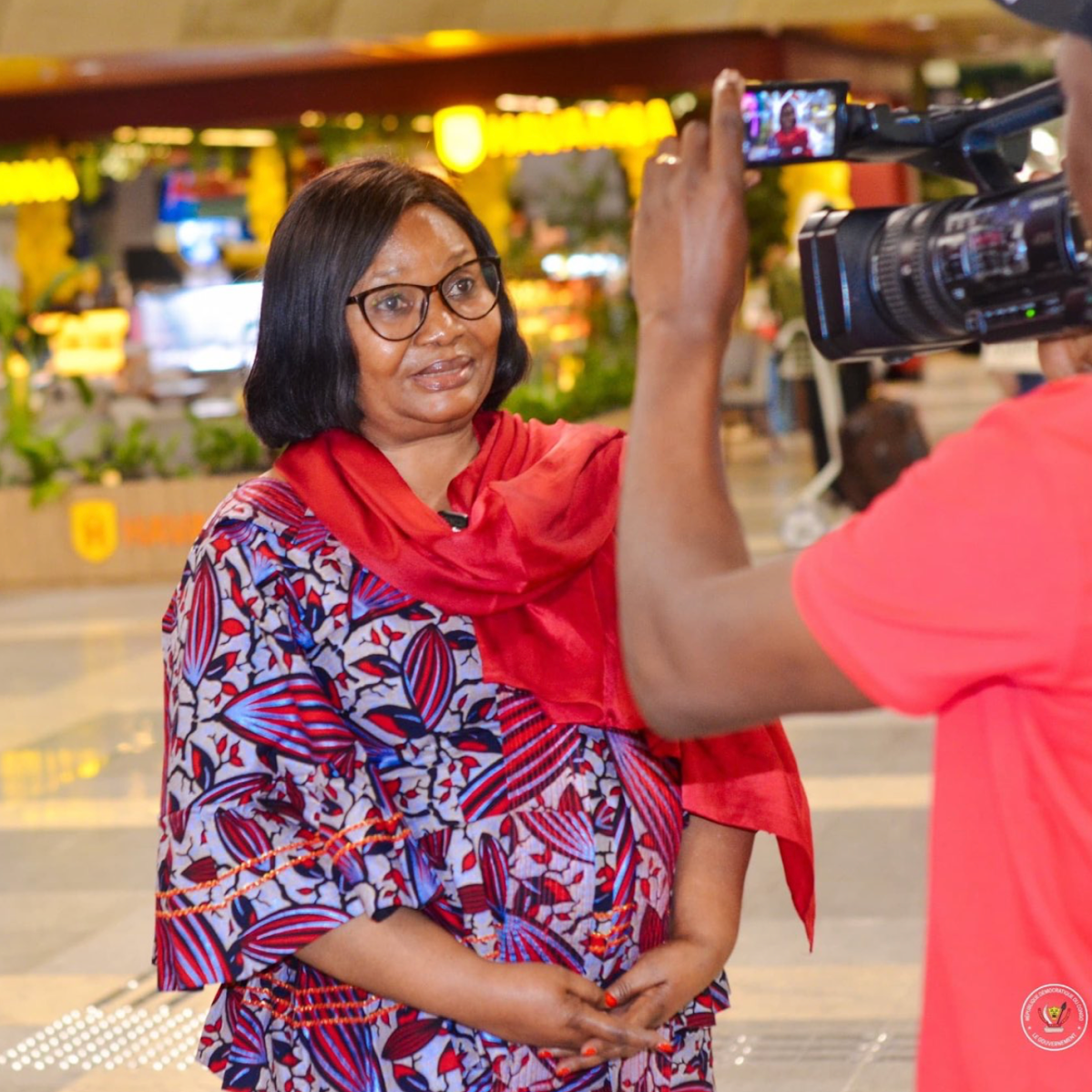
At the United for Wildlife Global Summit, organised on the initiative of Prince William and the Royal Foundation to bring together governments, businesses, NGOs and indigenous representatives against environmental crimes, Professor Marie Nyange Ndambo, Minister of Environment and New Climate Economy and Professor of the Democratic Republic of Congo, reaffirmed the country's commitment to recognising ecocide as an international crime.
She called for global mobilisation to end large-scale destruction of ecosystems, making the fight against ecocide a national priority. The DRC’s participation in COP30 in Belém continues this effort to advance the legal and political recognition of ecocide worldwide.
Nov 2025
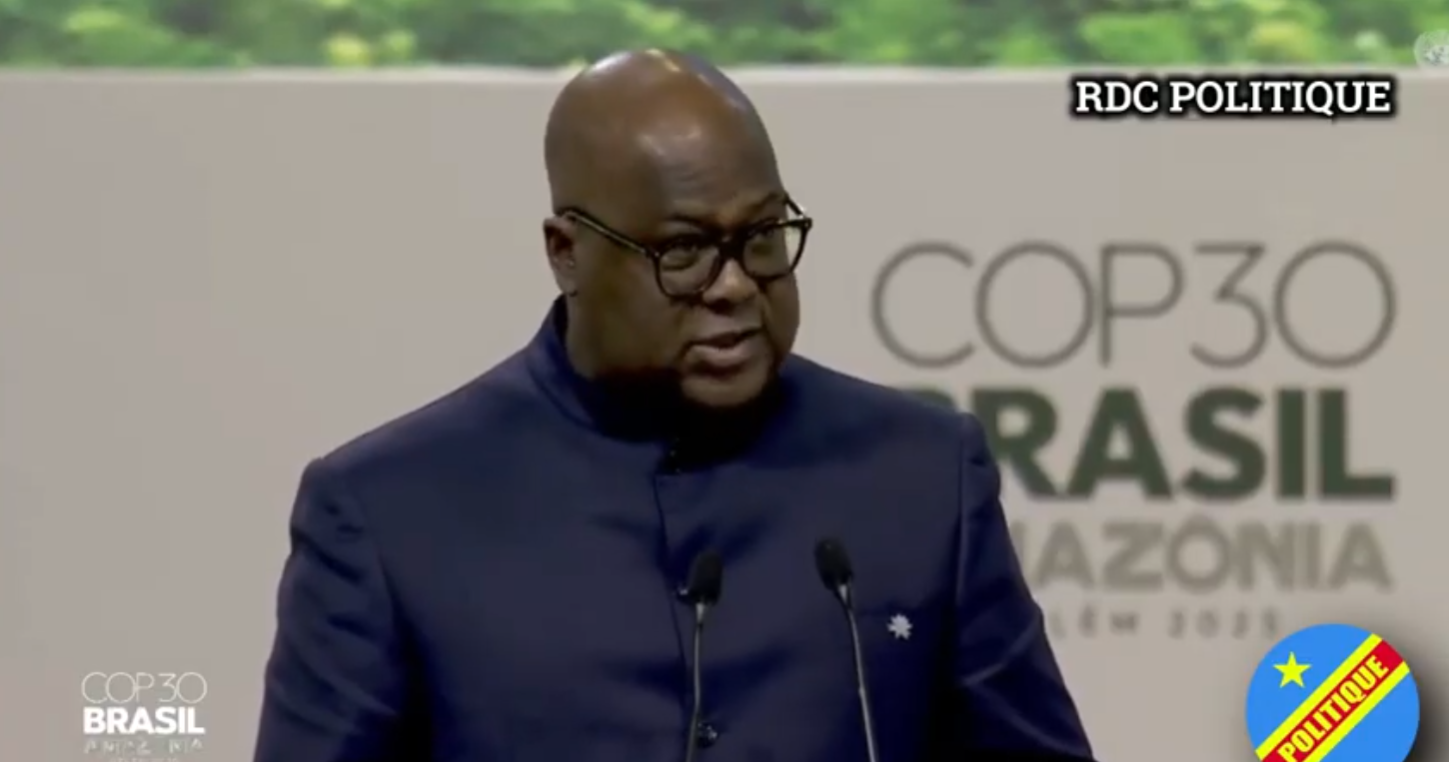
At the COP30 opening ceremony in Belém, Brazil, His Excellency Félix Antoine Tshisekedi Tshilombo of the Democratic Republic of the Congo reaffirmed his country’s support for the formal proposal by Vanuatu, Fiji, and Samoa to include ecocide as a standalone international crime in the Rome Statute of the International Criminal Court.
Watch the President’s full speech here
(President Tshisekedi's remarks on ecocide begin at 4:53)
The legislative initiative led by the DRC aims to complement existing national legal frameworks on environmental protection. This initiative aligns with several regional and continental instruments, including the African Charter on Human and Peoples’ Rights, the Bamako Convention, the African Union’s Agenda 2063, and the Southern African Development Community (SADC) Protocol on Environmental Management for Sustainable Development.
Dec 2025
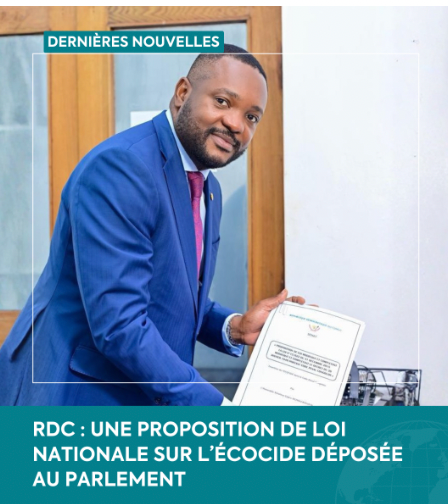
Senator Cédric Ngindu Biduaya of the Democratic Republic of Congo has officially tabled a bill in the national parliament to make ecocide a national criminal offence, marking a decisive step towards strengthening legal protection for ecosystems across the country and the Congo Basin.
Dec 2025
Launch of the coalition for ecocide law by the Congo Basin Conservation Society (CBCS-Network) to support national, regional and international initiatives for the recognition of ecocide.