History of the DRC's commitment to the recognition of ecocide as a crime at the national, regional, and international levels
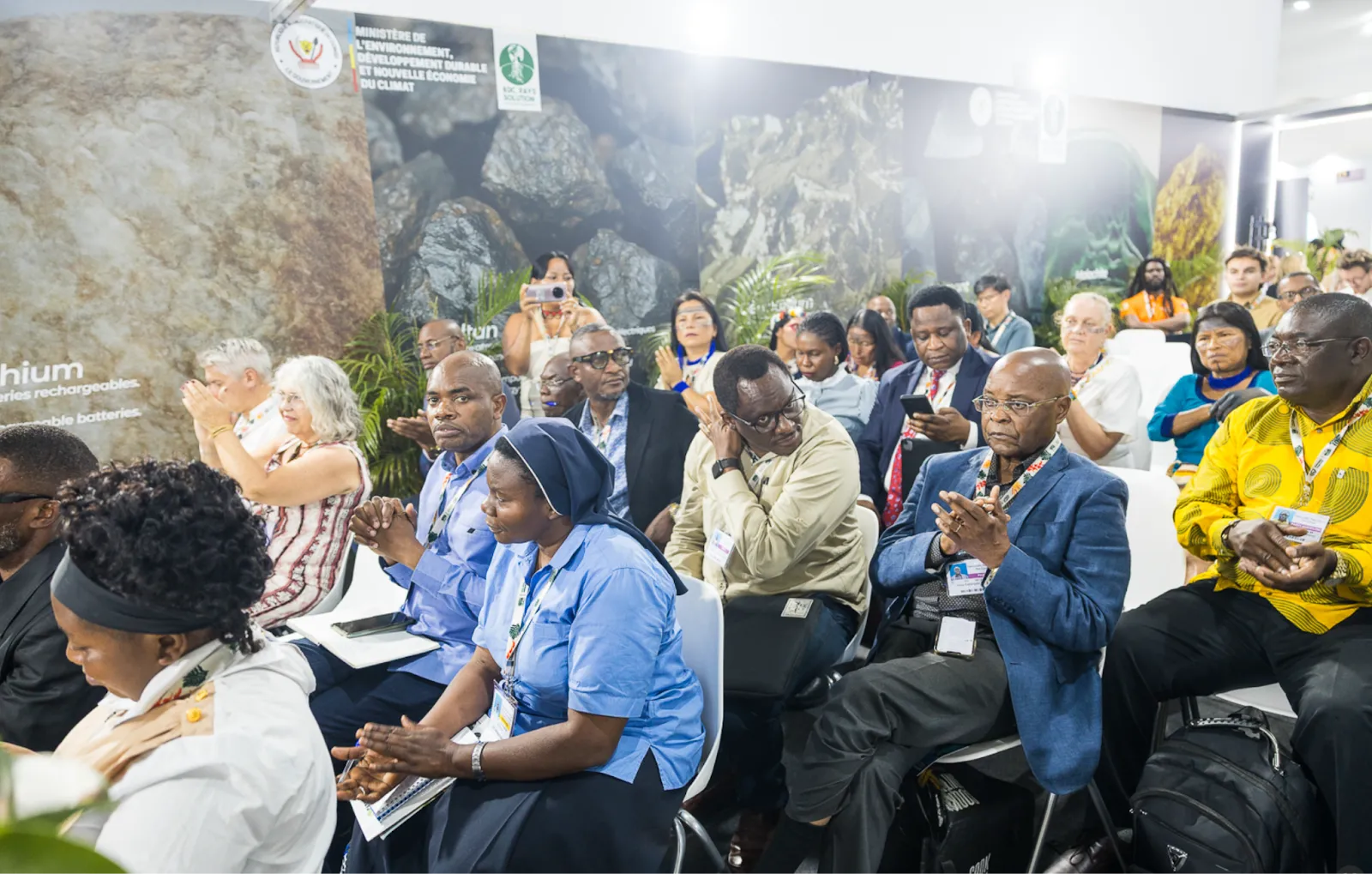
The Democratic Republic of Congo (DRC) is home to approximately 62% of the Congo Basin’s forest cover, which is the second largest tropical forest on the planet. This vital ecosystem plays a key role in global carbon sequestration and is home to exceptional biodiversity, making the DRC a key player in global environmental stability. In addition to this remarkable natural heritage, the DRC has abundant mineral resources, such as cobalt, copper, lithium, gold, and tantalum, which are essential to the global energy transition.
As the country seeks to harness these resources for sustainable development, it also faces complex environmental challenges, including the need to strengthen regulations and ensure that resource exploitation respects ecosystems and communities.
These realities underscore the importance of robust legal frameworks and international cooperation to protect nature while promoting responsible and equitable development.
In this context, the DRC is fully committed to advocating for the recognition of ecocide as a crime at the national, regional, and international levels, in order to ensure the prevention of the worst damage, justice for affected communities, and the long-term sustainability of our planet.
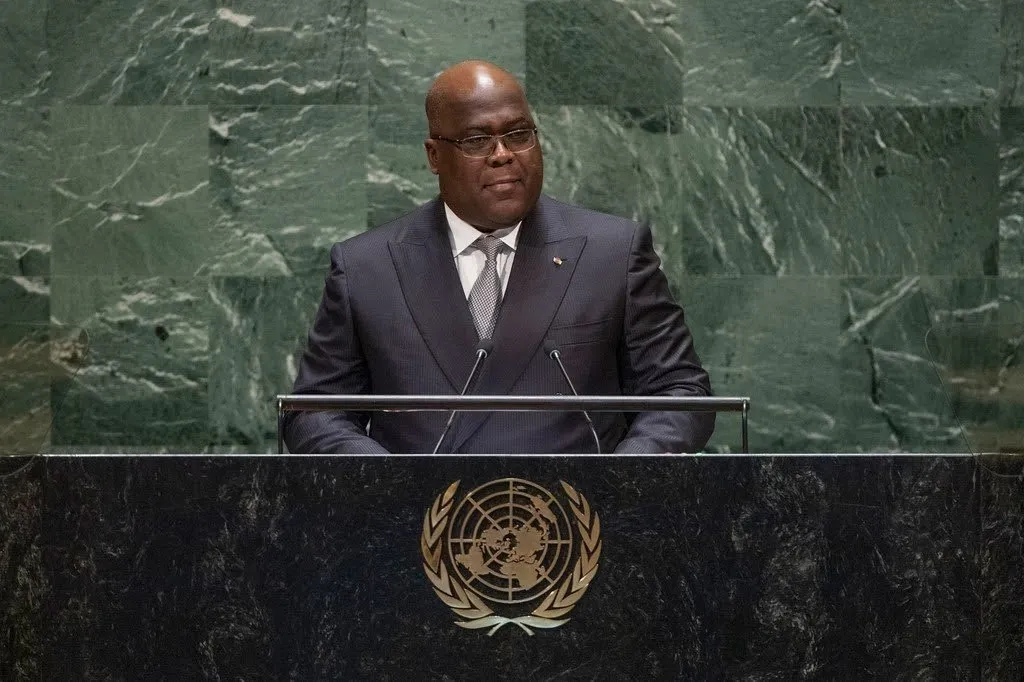
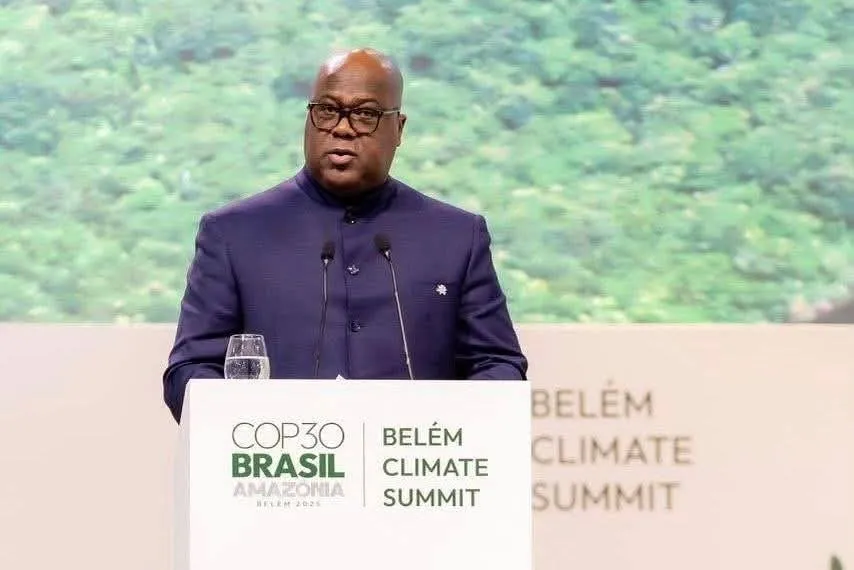
At the international level, the President of the Democratic Republic of the Congo, His Excellency Felix Tshisekedi, has called on States to support the proposed amendment to the Rome Statute of the International Criminal Court, sponsored by Vanuatu, Fiji, and Samoa, to include ecocide among the crimes within the jurisdiction of the Court. This appeal was made during the 80th session of the United Nations General Assembly in September 2025, as well as during the opening ceremony of COP30 in Brazil.
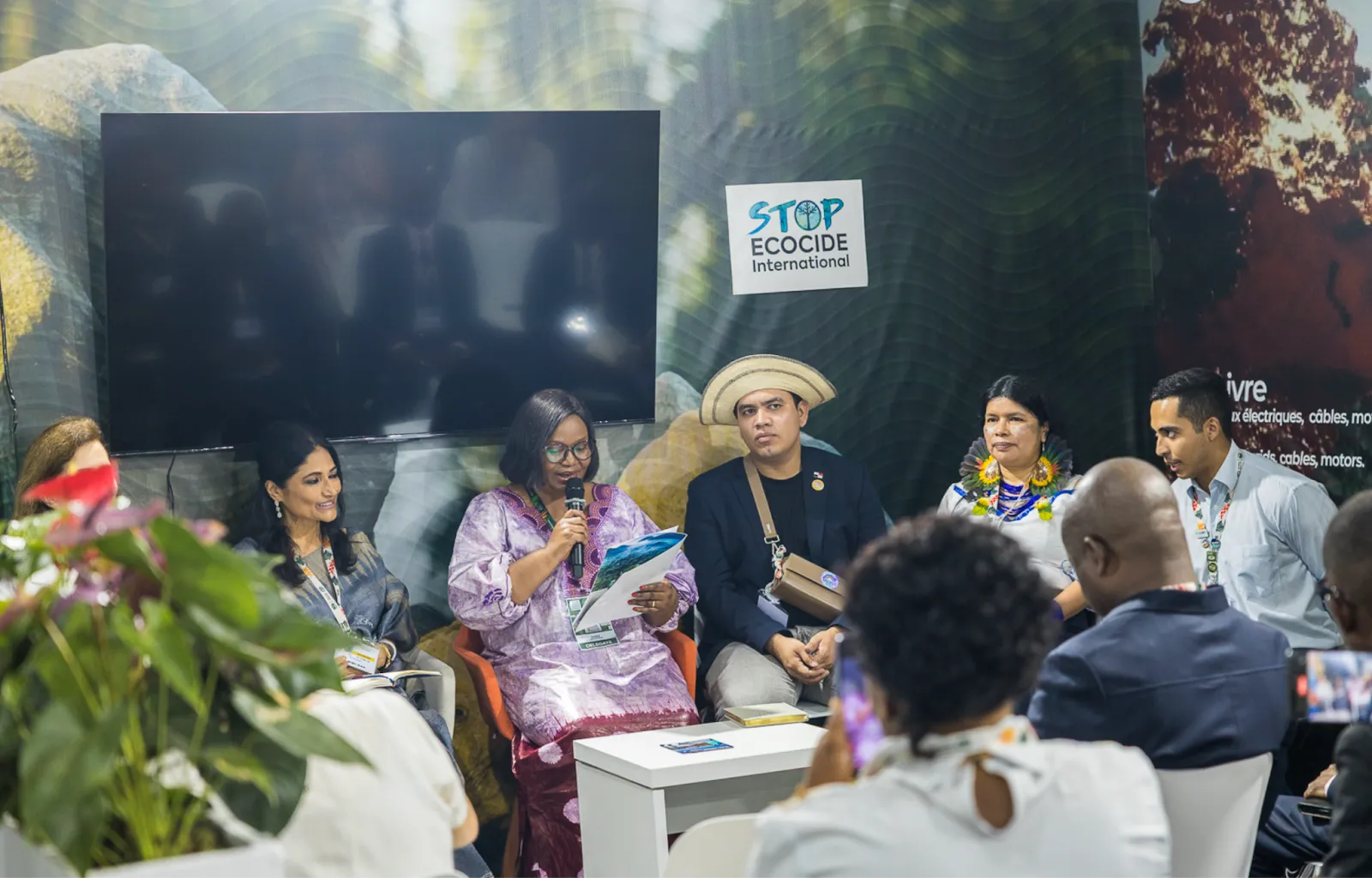
At the regional and international levels, the Minister of Environment and New Climate Economy,Professor Marie Nyange Ndambo, is continuing her efforts to position the DRC as the leading state on this issue within the main environmental and diplomatic forums, such as the African Ministerial Conference on the Environment (AMCEN) and the various Conferences of the Parties (COP).
At the national level, Senator Cédric Ngindu Biduaya introduced a bill in December 2025 to recognise ecocide in the Congolese Penal Code.
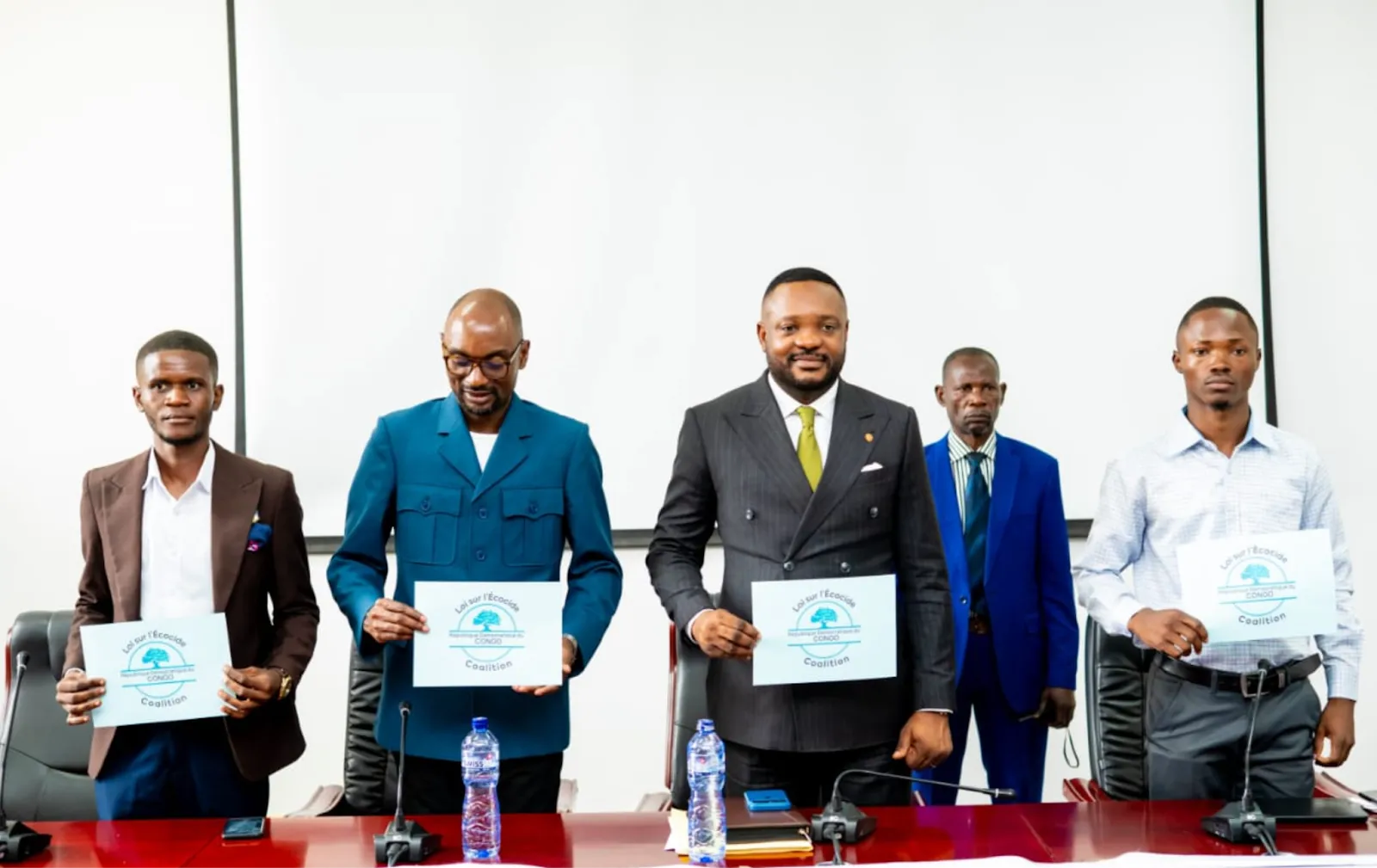
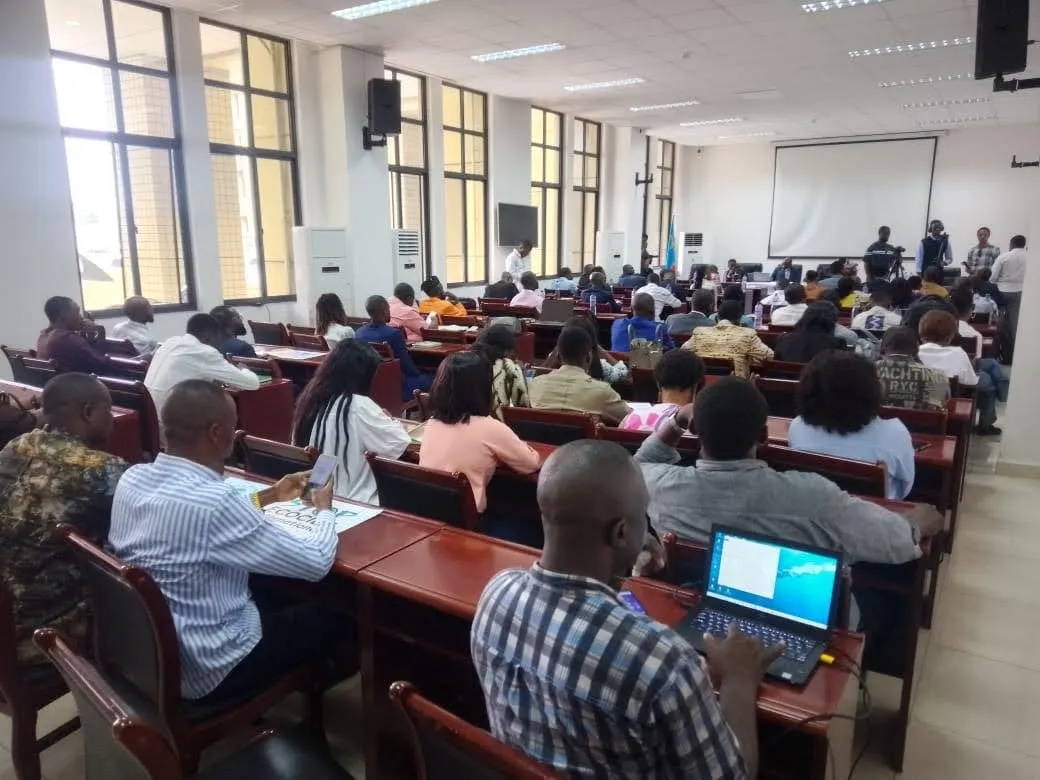
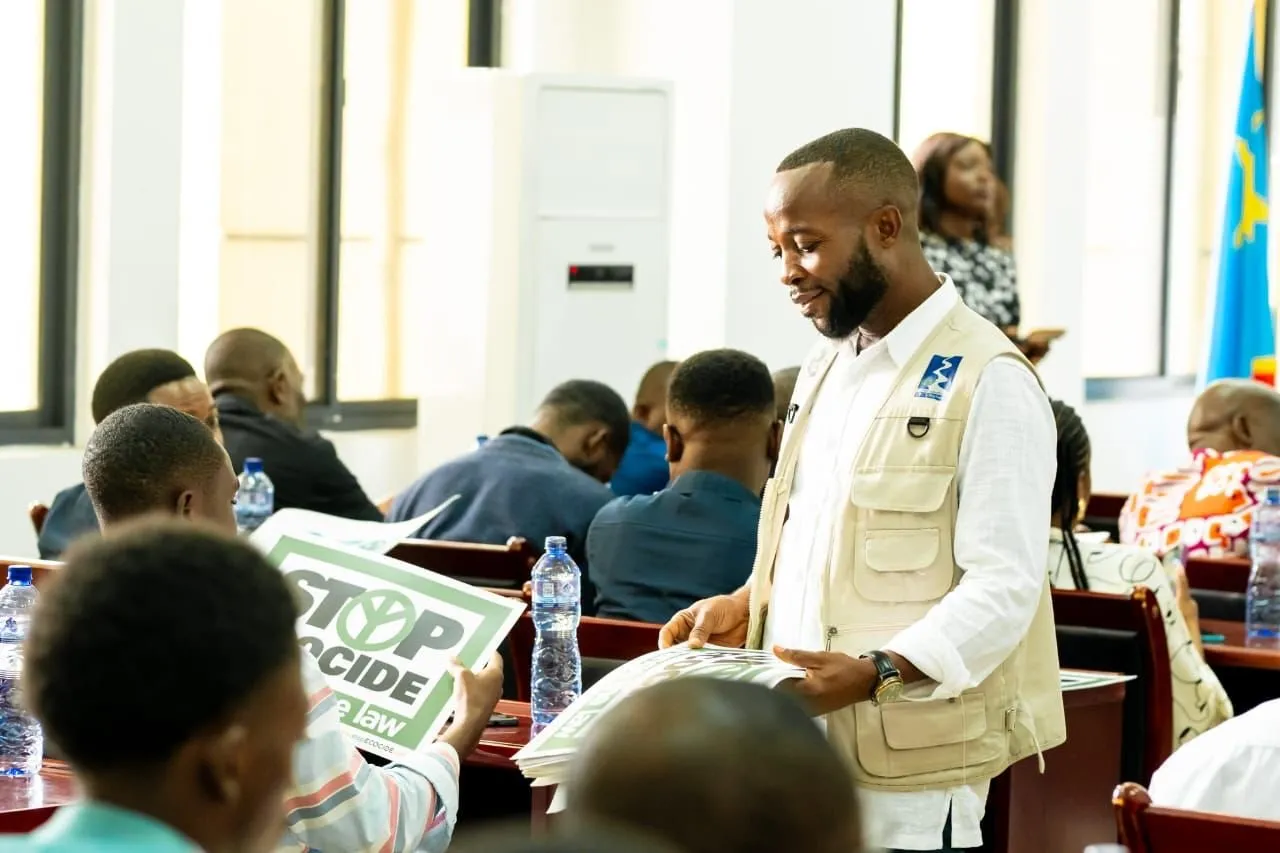
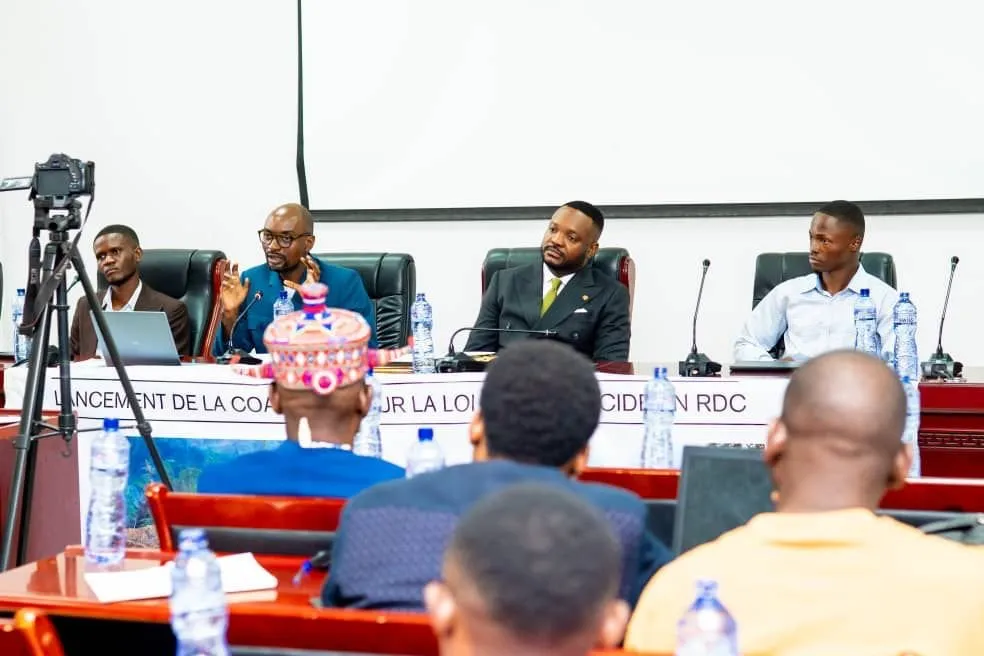
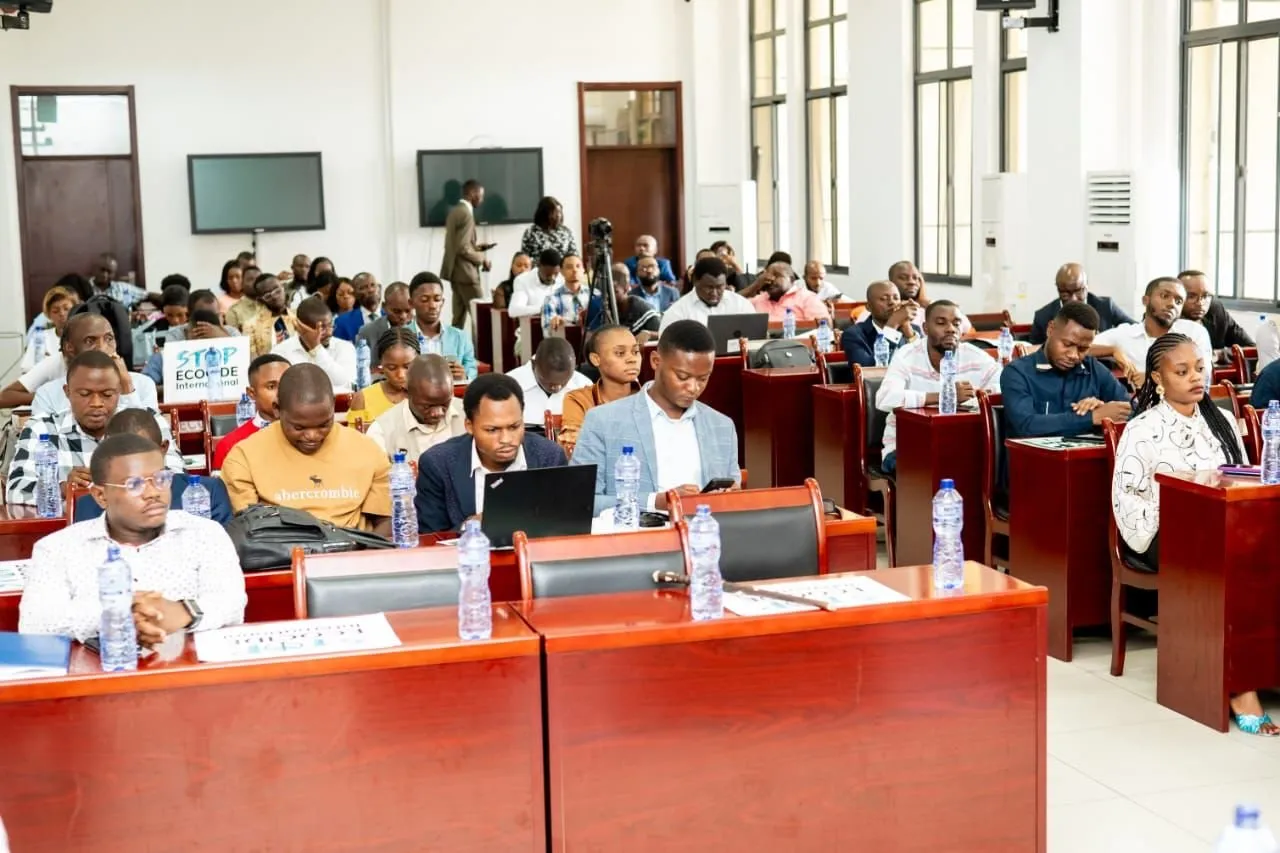
At the same time, civil society has organised itself into a coalition to support initiatives at the national, regional, and international levels. This coalition is coordinated by the Congo Basin Conservation Society (CBCS-Network).
For more information on the various initiatives in the DRC:stopecocide.earth/drc
To join the coalition, please fill out the following form: